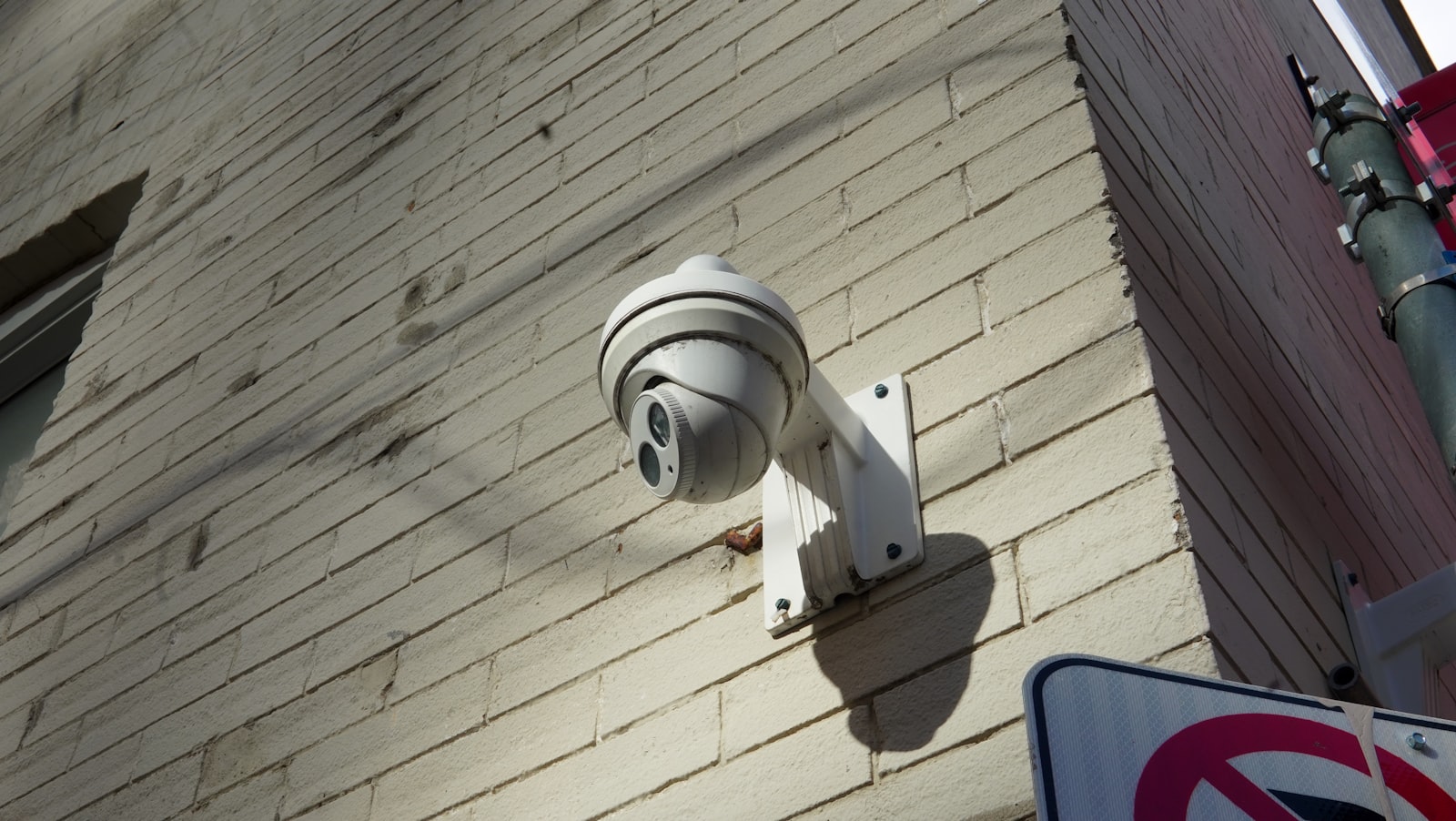
CCTV Camera Installation in NYC: Cost, Rules, and Choices
Professionally installed CCTV in NYC starts around $350 and scales with camera count, wiring, and storage choices. A typical small storefront or brownstone system (two to four cameras, a recorder, remote viewing on your phone) lands in the low four figures installed; a single smart doorbell camera sits far below that. The camera is the cheap part. The labor is the cable.
That is the short version. Here is what drives the price, which camera types earn their spots, where the law lets you point a lens in New York, and the wired-versus-wireless decision that matters more in prewar buildings than anywhere else in America.
What drives the cost
Four levers set the invoice, in descending order:
- Cable runs. Every wired camera needs a path back to the recorder, and NYC buildings fight you: plaster over brick, tin ceilings, concrete slab. A camera ten feet from the recorder is trivial; the same camera across a landmarked facade is a project. This is why quotes follow a walk-through.
- Camera count. Doors, registers, stockroom, backyard. Most small properties are honestly covered by two to four well-placed cameras, not eight mediocre ones.
- Recording hardware. A local NVR (network video recorder) is an upfront box with no monthly fee; cloud recording trades hardware for a subscription.
- Camera grade. Resolution, night vision, and build. The sweet spot for most NYC uses is 4MP–8MP; beyond that you are buying storage consumption as much as clarity.
Installed systems start around $350 at the single-camera end. We quote all-in after seeing the walls the cable has to cross; the CCTV installation service page covers the process.
The camera menu, honestly
- Turret and dome cameras are the default for lobbies, entrances, and storefront interiors. Turrets aim flexibly and resist the infrared-reflection problems domes can have; domes resist tampering better.
- Bullet cameras announce themselves. Good where deterrence is the point: backyards, loading doors, alley entrances.
- Doorbell cameras cover a single residential door well and a business poorly.
- Wide-dynamic-range (WDR) models earn their cost at glass storefronts, where a camera must expose a dim interior and a sunlit sidewalk in the same frame.
Two honesty notes from jobs rather than catalogs. First, night performance depends on placement and lighting more than the spec sheet; infrared bouncing off a nearby wall will wash a scene out. Second, a camera that can identify a face at the door beats four cameras that vaguely see a room. Position wins over quantity.
NVR or cloud
- Local NVR: one-time cost, footage stays on your premises, no monthly fee, and storage is measured in weeks. Retention depends on disk size, camera count, and resolution; sizing that math is part of the install. The risk is the box itself being stolen or damaged, which good placement (locked closet, high shelf) mostly answers.
- Cloud: footage survives anything that happens on site and is reachable from anywhere, for a per-camera monthly fee that never ends. Small camera counts favor cloud; larger systems usually favor an NVR, sometimes with cloud backup for the critical one or two views.
Either way, insist on remote viewing. Checking the store from your phone is the feature owners actually use daily.
Where you can point a camera in New York
The rules are more common-sense than folklore suggests:
- Your own property, common areas, and entrances: yes. Lobbies, hallways, storefronts, registers, backyards, and the sidewalk in front of your door are normal, lawful camera territory.
- Anywhere a person has a reasonable expectation of privacy: never. Bathrooms, changing areas, and inside a tenant’s apartment are off-limits. New York criminalizes imaging people in such places without consent under its unlawful-surveillance law, Penal Law § 250.45.
- Audio is stricter than video. New York’s eavesdropping rules treat recorded conversation differently from silent footage, so most installs leave microphones off. If audio matters to you, ask, and get advice specific to your situation rather than a forum answer.
- Aim with courtesy. A camera that mostly frames a neighbor’s windows invites disputes even where it is lawful. Angle for your own doors and property lines.
For landlords: cameras in common areas are standard and tenants broadly benefit, but pair them with sense (no lenses at apartment doors’ interiors, clear placement) and with the building’s other obligations. Our property manager playbook sits next to this topic.
Wired or wireless, the prewar question
Wi-Fi cameras demo beautifully in a suburban house and struggle in a 1920s walk-up, where brick and plaster eat signal and a dozen neighboring networks fight for air. The honest guidance:
- Wired PoE (power over ethernet) is the reliability answer: one cable per camera carries both power and video, no batteries, no dropouts. It costs labor once and works for a decade.
- Wireless earns its place where cable genuinely cannot go (a detached yard structure, a rental where drilling is off the table) and for single-camera doorbell setups.
If a proposal for a multi-camera NYC building is all-wireless, the installer is optimizing for their afternoon, not your system.
The mistakes we correct most often
Systems that disappoint usually share the same five design errors, all avoidable at install time:
- Cameras mounted too high. Second-story mounting produces beautiful footage of the tops of heads. Face height at choke points (the door, the register) is what identifies anyone.
- A camera aimed at a backlit door with no WDR. The silhouette walking out of a glowing rectangle could be anybody. Glass storefronts need cameras specified for the light they actually face.
- The recorder in plain sight. An NVR on an open shelf behind the register leaves with the burglar, and the footage of the theft goes with it. Locked closet, high shelf, or a cabinet with its own lock.
- Never testing at night. Half of what a security camera is for happens after dark, and infrared behaves differently than the showroom suggested. We test night views before handoff; insist on it from anyone you hire.
- Default passwords left on network gear. Cheap kits ship with credentials the whole internet knows. Changing them is a two-minute step that a professional install treats as non-negotiable.
None of these cost much to do right the first time. All of them cost real money to discover during an incident.
For storefronts and small businesses
Retail systems have their own logic: a camera on the register, one framing the entrance at face height, one on the stockroom, WDR at the glass. Pair the cameras with the physical side (the gate, the storefront hardware, the safe drop) and with your access control so footage and entry logs tell one story. After an incident, footage plus a hardened door beats footage alone; our break-in response checklist covers the sequence.
How an install goes
- Walk-through. Views that matter, cable paths, recorder location, network check.
- Proposal. Camera list and placements, recorder and storage plan, all-in price.
- Installation. Mounting, cabling, recorder setup, phone apps configured on the spot.
- Handoff. Live views checked, retention verified, you delete a test clip yourself so you know how.
Cameras across the five boroughs, installed and serviced: (844) 912-1908.
Frequently Asked Questions
What does camera installation cost in NYC? Installed CCTV starts around $350 at the single-camera end; a typical two-to-four-camera storefront or townhouse system with a recorder lands in the low four figures. Cable runs through NYC walls are the variable that moves quotes most, so pricing follows a walk-through.
Can I watch the cameras on my phone? Yes. Remote viewing is standard on the systems we install, with the apps configured before we leave. It is the feature owners use most.
Is it legal to record video in my building’s hallways? Common areas, entrances, and your own property are lawful camera territory. Places with a reasonable expectation of privacy are not, and New York’s unlawful-surveillance law (Penal Law § 250.45) makes that a crime. Leave audio off unless you have specific advice.
How many days of footage will I have? With a local NVR, retention is set by disk size against camera count and resolution, typically measured in weeks and sized during the install. Cloud plans set retention by subscription tier.
Wired or wireless cameras for a prewar building? Wired PoE wherever cable can physically go; prewar masonry is hostile to Wi-Fi video. Wireless earns its spot only where drilling is impossible or forbidden.
Do you install doorbell cameras? Yes, usually as part of a door-hardware visit. For a single residential entrance they are often the right-sized answer, and we will say so rather than sell a four-camera system to a studio apartment.
Need Expert Help?
If you have questions about any of the security solutions discussed in this article, our team is ready to provide expert guidance.
Call us at (844) 912-1908 for a free consultation or to schedule a service.