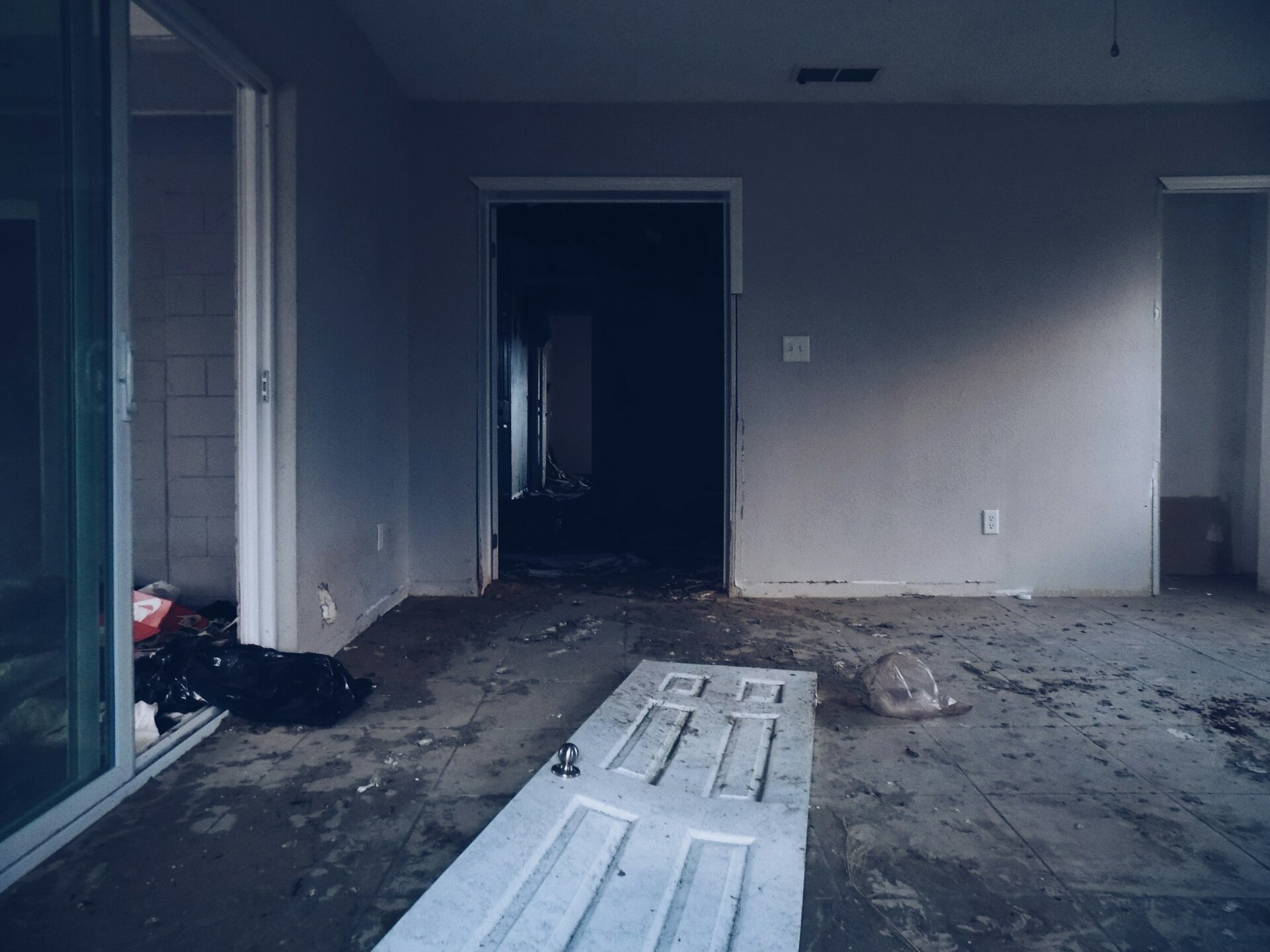
After a Break-In Attempt in NYC: 7-Step Hardening Checklist
You get home from work and the door frame is splintered around the strike plate. Or the cylinder is half-pulled. Or there are pry marks on the deadbolt. The door is closed and the lock held, but somebody tried.
Attempted residential burglaries like this happen across NYC every week. Many fail at the door: the lock or the frame holds long enough that the intruder gives up and moves on. If yours was one of them, the next 48 hours determine whether they come back, and what they find if they do.
Here is the checklist we walk through with clients after a foiled attempt. The order matters.
Step 1: Do not go inside alone if the door is open
If the lock failed and the door is ajar, treat it as an active scene. Call 911 from outside. Do not announce yourself by name from the hallway. Wait for NYPD to clear the unit. This is non-negotiable even if it is "obviously" empty, because most intruders flee before entry but a small number do not.
If the door is closed and the lock held, you are safer entering. Still call 311 to file a non-emergency police report so the incident is documented. The complaint number protects your insurance claim and gives NYPD a data point for the precinct's pattern analysis.
Step 2: Photograph the damage before you touch anything
Take 8-12 photos before any repair:
- The full door from inside the unit
- The full door from outside (hallway)
- Close-ups of every pry mark, dent, or scratch
- The strike plate and frame
- The cylinder face
- The hallway approach (any debris, footprints, dropped tools)
- Any visible damage to neighboring doors or the building entrance
These photos are evidence. Your renter's or homeowner's insurance will want them. The locksmith will want them. NYPD may want them. If the attempt is part of a building pattern, the photos help the precinct connect incidents.
Step 3: Get the door secured the same night
A door with damaged hardware that still closes is not secure. A burglar who tried once and was interrupted will sometimes try again the next night when they know the door is weakened. Within 24 hours:
- Replace the deadbolt cylinder if it was tampered with.
- Replace the strike plate if it was pried or splintered.
- Replace the long screws on the strike plate with 3-inch screws into the framing stud (most NYC doors come from the factory with 3/4-inch screws into the jamb pine, they pull out under a 200-pound kick).
- Add a door reinforcement plate if the door material is hollow-core or thin steel.
This is the work SWIFTLOCKSMITH does on emergency response. Standard same-day install on a NYC apartment door is 60-90 minutes. We document the work with timestamped photos for your insurance.
If you cannot get a locksmith on site that night, the temporary measures are: chain bolt, door brace bar wedged under the handle, a chair under the doorknob, and bringing valuables into a different room. These hold for one night. They do not hold for a week.
Step 4: Upgrade the cylinder, not just replace it
If the existing deadbolt was a Kwikset SmartKey or a generic big-box brand, do not put the same model back. The intruder defeated this hardware once. Replacing like-for-like means the next attempt succeeds.
The upgrade does not have to be expensive. Three realistic options:
- Swap the cylinder to a Mul-T-Lock or Medeco high-security cylinder while keeping the existing deadbolt body. Cost: $250-$400 installed. Defeats picking, bumping, and snap attacks.
- Replace the full deadbolt with a Schlage B660 Grade 1 or equivalent. Cost: $200-$350 installed. Stronger body, better bolt throw, anti-saw pin.
- Add a secondary lock (vertical deadbolt, sash lock, or floor bolt). Cost: $150-$250 installed. Two locks force the intruder to defeat both, doubling the time on site.
We cover the brand-by-brand differences in our Schlage vs Mul-T-Lock guide.
Step 5: Reinforce the door, not just the lock
A burglar who could not pick the lock often kicks the door. The lock is fine; the door fails. Three reinforcements that meaningfully raise the kick threshold:
- Reinforced strike plate, wraps around the frame, 3-inch screws into the stud. Single best change you can make for kick resistance.
- Door wraparound plate, a steel jacket around the latch-and-deadbolt area of the door itself. Prevents the door from splitting at the lock holes.
- Frame reinforcement, a 24- to 48-inch steel U-channel that screws into the framing on the lock-side jamb. Holds the frame together under impact.
A door with all three modifications survives a 200-pound kick repeated 10 times without breach. The intruder runs out of time before the door runs out of structure.
Step 6: File the right reports
There are four reports worth filing, in this order:
- NYPD report at the local precinct (or by phone via 911 if the attempt was recent and you suspect the suspect is still nearby). Get the complaint number.
- Renter's or homeowner's insurance, the complaint number is the first thing they will ask for.
- Building management or co-op board. They may share the report with other residents, escalate building security (replace lobby cameras, add a doorman buzzer policy), or coordinate with NYPD on a pattern.
- Crime Stoppers tip line at 1-800-577-TIPS if you have any video or witness information. Tips are anonymous and rewarded if they lead to an arrest.
If your unit has a video doorbell or hallway camera, save the footage to cloud storage and external backup before you do anything else. Some camera systems overwrite within 7 days; this footage is your strongest evidence.
Step 7: Check the building for follow-on patterns
The same crew that tried your door often tries others in the same building. Walk the floor and the floors above and below. Look for:
- Other doors with fresh pry marks
- Damage to building entry doors, mailroom doors, package room doors
- Signs of tampering with the elevator (some attempt to disable cameras)
- New stickers, scuffs near peepholes, or other reconnaissance markers
If you find another attempted door, knock and tell the resident. They may not have noticed. Buildings that catch a pattern early and harden together push the attempt-crew elsewhere within a week or two.
What we do as the locksmith on response
A SWIFTLOCKSMITH break-in response is a single visit, two hours, full hardening package:
- Cylinder replacement (your choice of grade)
- Strike plate upgrade with 3-inch screws
- Door reinforcement plate if needed
- Frame inspection and repair on minor splintering
- Written invoice for insurance with timestamped before/after photos
- Recommendation memo for your building management
We are DCWP licensed, insured, and can email a Certificate of Insurance to your building manager before we arrive. Call (844) 912-1908 the same night, we are dispatching 24/7.
Frequently Asked Questions
My lock held but the cylinder feels rough now. Do I need to replace it? Yes. A cylinder that has been torqued or picked is internally damaged even if it still operates. It will fail under another attack and is often easier to defeat the second time. Cost is small relative to the risk.
Should I move? Unless the building has a pattern of repeated incidents or the attempt was targeted at you personally, no. Most attempts are opportunistic. Hardening the door changes the math for any future attempt against your specific unit.
Will my insurance cover the locksmith bill? Renter's and homeowner's policies typically cover lock replacement after a documented break-in attempt. The NYPD complaint number is what the carrier needs.
Do I have to tell the landlord? For an attempted break-in on a residential unit you rent, yes, the landlord has a duty to maintain the security of the premises. Send the report by email so it is documented. They may be responsible for some or all of the hardening cost.
Should I install a camera? Yes for the hallway side, optionally for the interior. A camera does two things: deters the next attempt, and gives you/NYPD evidence if there is one. Avoid models that store only on the device, burglars take the device. Cloud-storage models or motion-triggered local-recording with encrypted offsite backup are the standard now.
Is it worth getting a smart lock after a break-in? Only if the underlying cylinder grade is high enough. A connected lock with a weak cylinder is still a weak lock. Pair smart features with a Mul-T-Lock or Medeco cylinder, not a Kwikset SmartKey.
Need Expert Help?
If you have questions about any of the security solutions discussed in this article, our team is ready to provide expert guidance.
Call us at (844) 912-1908 for a free consultation or to schedule a service.