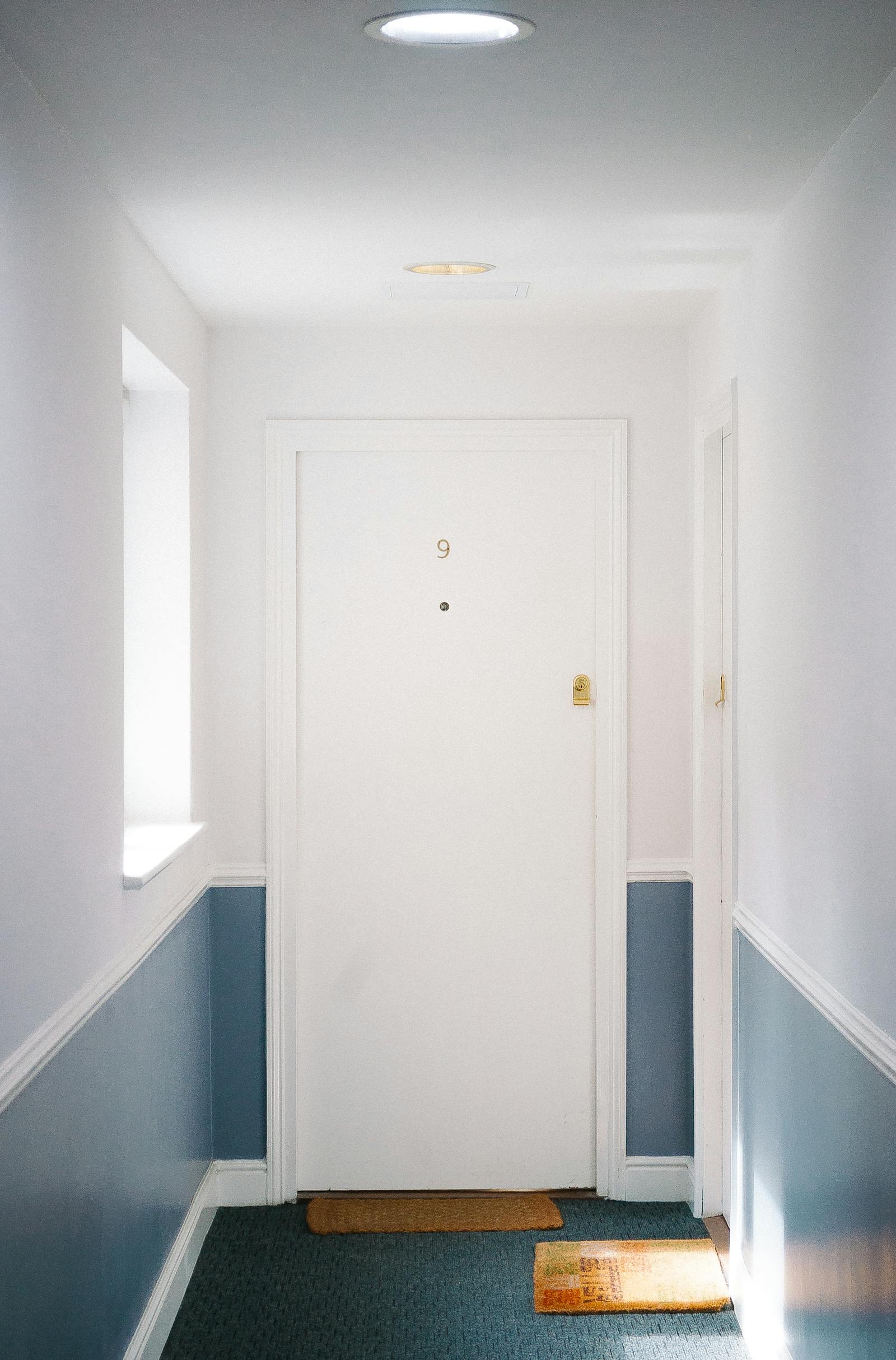
Door Reinforcement for NYC Apartments: Beyond the Deadbolt
When a NYC apartment door fails in a break-in, the lock is rarely the part that fails. The door frame splits at the strike, or the door itself splinters around the latch, or the hinges tear out of the jamb. The deadbolt is still locked, attached to its own broken piece of wood now lying in your hallway.
This is the most counterproductive truth in residential security. People buy expensive locks and ignore the fact that the lock is mounted in a $40 piece of pine. The fix is not a more expensive lock. It is reinforcing the frame, the strike, and the hinges so the door can absorb the kick that the criminal economic model in NYC is actually built around.
Here is the four-part NYC apartment door reinforcement guide, ranked by what stops the most common attacks.
Why kicked doors are the dominant NYC entry method
NYPD CompStat does not publish a fine-grained breakdown of forced-entry methods, but the year-end summaries and most local precinct reports show the same pattern: forced entries to NYC apartments are overwhelmingly "door forced," meaning kicked, shouldered, or pried at the latch. The lock itself is usually intact when the unit is processed for the report.
The economics are simple. A practiced kick to a standard NYC apartment door splinters the jamb around the strike in 1-3 seconds. The kick generates roughly 1500-2000 lb-ft of force at the latch point. A standard residential strike plate is fastened with 3/4-inch wood screws into pine that holds maybe 800-1000 lb-ft before splitting.
Defeat the kick and the criminal has to either escalate (crowbar, sledgehammer) or move on. Most move on.
Upgrade 1: The strike plate (highest ROI)
The strike plate is the metal piece on the door frame that the deadbolt and latch engage with. Most NYC apartments came from the factory with a basic 2.25-inch brass strike plate held by two 3/4-inch screws.
The upgrade is a heavy-duty strike plate (also called a "security strike" or "high-security strike"). The good ones share three properties:
- Long screws. 3-inch (or longer) wood screws that pass through the door jamb and bite into the structural framing studs behind the jamb. This means the kick has to break framing, not pine trim. Framing studs are typically 2x4 spruce, which holds 10-15 times more force than the jamb itself.
- Bigger plate area. A larger strike covers more wood and distributes the kick load.
- Deep bolt pocket. The deadbolt seats more fully into the jamb, giving the kicker less mechanical advantage at the bolt point.
The two products that locksmiths reach for most often:
- Strikemaster II. A heavy steel reinforcement that wraps around the jamb. Adds substantial kick resistance. Around $40-$60 plus installation.
- Don-Jo SLP-411 or similar long-screw strike. A simpler upgrade with the long screws and a thicker plate. Around $15-$25 plus installation.
Installation takes about 20-40 minutes for a standard apartment door. The job is not difficult, but doing it right requires drilling pilot holes correctly, ensuring screw heads sit flush, and checking alignment after install so the door still closes smoothly. For most NYC apartments this is the single best $80-$140 you can spend on security. Covered on the lock installation and repair NYC page.
Upgrade 2: The latch guard
The latch is the small spring-loaded bolt that engages when you close the door, separate from the deadbolt. Even when the deadbolt is locked, the latch is the first thing a kicker breaks because it sits closest to the gap.
A latch guard is a metal cup that fits over the door edge and the latch, preventing the bolt from being pried back with a credit card, knife, or shim. The latch guard also adds a layer of metal between the kicker and the wood around the latch.
There are two main approaches:
- Surface-mounted latch guard. A metal plate that screws onto the door surface. Fast install (10-15 minutes), cheap ($15-$30), and visible (some people do not like the look on a pre-war door).
- Wraparound latch guard. Metal that wraps around the edge of the door, covering both the strike side and the inside face. Better protection. Same install time. About $25-$45.
For NYC pre-war apartments with metal-clad doors, a wraparound is usually the better choice because it does not interfere with the existing escutcheons. Confirm with whoever is installing it; some metal doors have edge details that limit wraparound options.
Upgrade 3: Door reinforcement plate (the door wrap)
A door reinforcement plate, sometimes called a door wrap or door edge protector, is a long metal piece that covers the lock side of the door from top to bottom, or at minimum a 10-12 inch section covering both the deadbolt and the latch.
Why this matters: when a kick fails to break the strike plate, the next failure point is the door itself. The deadbolt sits in a hole drilled through the door, and the wood between that hole and the door's edge is the weak point. A determined kicker can split the door at that line even if the strike plate holds.
A reinforcement plate sandwiches the door material between two metal layers (or one metal layer on the outside, in some products), preventing that split. Some good options:
- Door Devil Door Reinforcement Kit. Includes a long strike plate, 3-inch screws, and a wraparound door plate. About $50-$80 for the kit. Pro install adds $100-$150.
- Belwith / Hickory Hardware door reinforcers. Simpler, often pre-finished to match common door hardware colors. Around $25-$45.
For metal-clad NYC apartment doors (the heavy steel-skinned doors common in most multi-family buildings), the door itself is already reinforced and a separate plate is sometimes unnecessary. For wood doors (some brownstones, some older co-ops), the plate is high-value.
Upgrade 4: Hinge reinforcement
A hinge-side attack is less common than a latch-side attack but devastating when it works. If a kicker hits the door at the hinge side or the door is pried away from the hinges, the screws holding the hinges into the jamb can pull out, leaving the door swinging on a broken jamb.
The fix is straightforward and almost always overlooked:
- Replace the original hinge screws with 3-inch wood screws that pass through the jamb and into framing. Same principle as the strike plate upgrade.
- Add a "hinge bolt" or "studded hinge plate" (a small protrusion on the hinge that engages with a hole in the frame when the door closes). This means even if the hinge screws pulled out, the door cannot be lifted off because the bolt locks into the frame.
Most NYC apartment doors have three hinges. Upgrading the screws on all three takes about 20 minutes. The hinge bolts are about $10 each and install in another 30 minutes.
This is the cheapest upgrade per defensive value and almost nobody does it. The total cost of installing 9 long screws and 3 hinge bolts in a NYC apartment is about $70-$100 in materials plus labor.
What about the door peephole?
Tangential to reinforcement but related: NYC's HPD code requires apartment entry doors to have a viewing device (peephole or camera). Most do. Two upgrades worth knowing:
- Wide-angle peephole. A 200-degree peephole shows more of the hallway than a standard 160. Easy to swap in. About $20.
- Digital peephole camera. Replaces the peephole with a small camera and indoor screen, sometimes with recording. About $80-$200. Useful for buildings with sketchy hallways or for older residents who cannot easily look through a standard peephole.
These do not stop a kick, but they let you make better decisions about whether to open the door at all.
The DIY vs locksmith decision
The strike plate and hinge screw upgrades are well within DIY ability if you have a drill, a screwdriver, and patience. The materials are $30-$80. The risk of DIY is mostly cosmetic (slightly off-center installation, visible split-line) plus the risk of not realizing the screws missed the framing studs behind the jamb. Locksmiths can verify the studs are hit; DIYers usually cannot, because there is no way to see what is behind the jamb without invasive disassembly.
The latch guard and door reinforcement plate are also DIY-able but require more careful drilling. A wrong-positioned hole on the door means a permanent mistake on a $1000 door.
For NYC apartments specifically:
- Renters. Talk to the landlord first. Most leases require written consent for door modifications. Some landlords are happy to allow it because reinforcement reduces their liability. Some refuse on aesthetic grounds. Get the answer in writing.
- Co-op residents. Almost always need board approval for any door modification that changes the door's appearance from the hallway. Strike plates and hinge screws (interior changes) usually fine. Visible wraparound plates often require board sign-off. Covered in the co-op door lock rules NYC post.
- Condo residents. Check the bylaws. Most condos allow interior-facing changes without board approval.
- Homeowners (townhouses, brownstones, single-family). No approval needed. Do what you want.
What this all costs together
Realistic NYC pricing for a full reinforcement package, professionally installed:
- Just the strike plate upgrade: $80-$140 (lock installation labor + parts).
- Strike plate + latch guard: $130-$200.
- Strike plate + latch guard + door wrap: $200-$320.
- Full package (strike + latch + wrap + hinge upgrade + hinge bolts): $280-$480.
For comparison, a basic lockout response is $145-$185. A full residential rekey is $250-$400. A break-in response (rekey + frame repair after a forced entry) starts around $400 and runs to $1500 depending on damage.
The reinforcement package pays for itself the first time it prevents a successful kick.
Our high-security locks NYC page covers the lock-side upgrades that pair well with reinforcement. The lock installation and repair NYC page covers the frame-side work.
Insurance implications
A few things to know about NYC renters and homeowners insurance:
- Some policies offer a small premium discount (3-5%) for reinforced doors and high-security locks. Ask your agent. The discount over 10 years usually offsets the install cost.
- A successful break-in claim is processed faster when the police report notes a "defeated reinforcement" rather than a "no defensive features," because it establishes that the loss happened despite reasonable security.
- If the building's common-door security is the weak point (failed buzzer, propped-open vestibule), document with photos and put the building on written notice. This shifts liability if a break-in later occurs.
Frequently asked questions
Can my landlord prevent me from reinforcing my apartment door? Generally yes for visible exterior modifications, generally no for interior-facing reinforcement (hinge screws, latch guards on the inside). Read your lease and ask in writing. If the landlord refuses, escalate through HPD's complaint portal only if the existing security is non-functional, not because you want a different upgrade.
Is a $40 deadbolt enough if the frame is reinforced? Most break-ins target the frame and the latch, not the deadbolt cylinder. So yes, a basic deadbolt plus reinforced frame is meaningfully better than a high-security cylinder in a weak frame. Both upgrades together is best.
How long does the reinforcement install take? A full package (strike + latch + wrap + hinges) for one door is usually 90-150 minutes for a professional locksmith. Multiple doors at one visit scale at about 60 minutes per additional door.
Does it work on metal-clad apartment doors? Yes. The strike plate upgrade and hinge upgrade work the same way regardless of door material. The latch guard and door wrap are often unnecessary on metal-clad doors because the door itself already resists splitting.
Will the reinforcement set off the smoke detector or fire code? No. Door reinforcement does not change the door's fire rating or egress capability. The door still opens normally from the inside. Some FDNY-rated apartment doors have specific requirements about modifications; if you live in a building with a recent FDNY inspection, ask the super before adding heavy hardware.
What about ground-floor apartments and the windows? Reinforcing the door does nothing if the criminal goes around to the window. Ground-floor units in NYC almost always need the window security upgrade too (window locks, polycarbonate panels, security film). Mention ground-floor status when booking and the locksmith can quote a combined door-plus-window assessment.
Is the upgrade worth it for a 15th-floor apartment? The risk of forced entry on a 15th floor is much lower than on a ground floor. The reinforcement is still useful because the dominant threat shifts to "someone follows you in through the front door, then forces your apartment door once they are inside the building." That is a real NYC pattern in larger buildings with dozens of units.
Need Expert Help?
If you have questions about any of the security solutions discussed in this article, our team is ready to provide expert guidance.
Call us at (844) 912-1908 for a free consultation or to schedule a service.