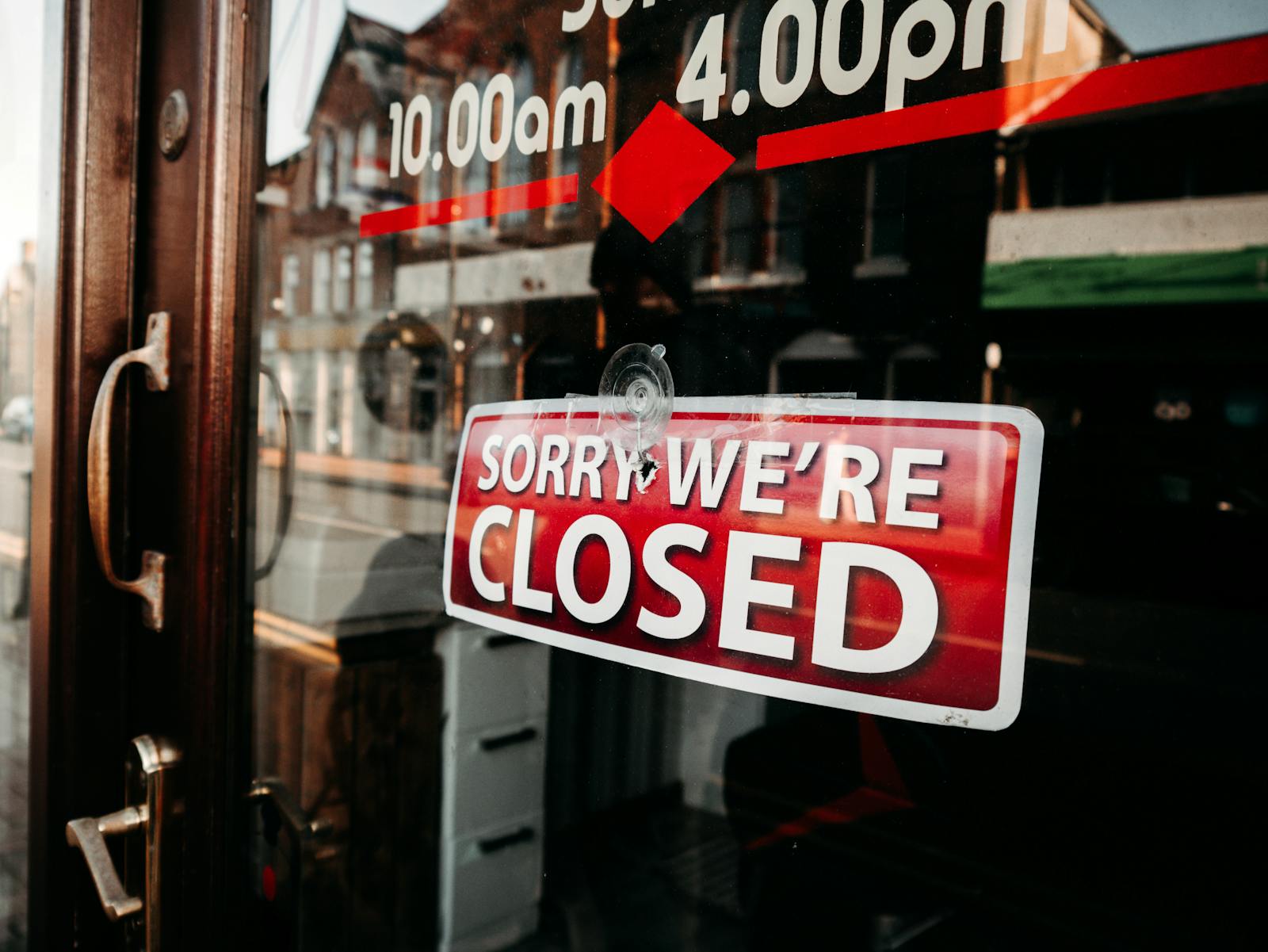
Locked Out of Your NYC Office? Commercial Lockout, Solved.
It is 8:15 am. Your staff are gathering outside a glass storefront in Midtown, the first customers are due at nine, and the only person with a working key is stuck on a delayed train. Or the office manager who held the key quit on Friday and took it with them. A commercial lockout is not just an inconvenience; it is a meter running on lost revenue and idle payroll. It is also a different job from a home lockout, with different hardware, different proof requirements, and different stakes.
Here is how commercial lockouts work in NYC, what we can open without wrecking your door, and how to make sure the next one does not happen.
Why commercial is not the same as residential
A home lockout is usually one person and one standard deadbolt. A commercial lockout brings complications a house never has:
- The hardware is heavier and more varied. Storefronts and offices run on commercial-grade gear: mortise locks, panic/exit devices (the push bars on egress doors), aluminum-frame storefront locks, electric strikes, magnetic locks, and access-control readers. Each opens differently.
- Authority must be proven. We do not open a business for whoever is standing at the door. A locksmith confirms you are entitled to enter: ownership, a lease, or a manager's authorization. This protects the business owner from exactly the scenario you would worry about.
- The cost of waiting is real. Closed doors mean lost sales and paid staff doing nothing. Speed and non-destructive entry matter more than on a home call.
- Egress and code rules apply. Commercial doors must let people OUT freely under fire and ADA rules, which shapes both how we open them and what we are allowed to install afterward.
What we open, and how
Most commercial lockouts are resolved without damage:
- Commercial mortise and cylinder locks: picked or decoded open like any quality lock, non-destructively, in most cases.
- Aluminum-frame storefront doors: the narrow-stile cylinders and hookbolts common on glass storefronts have known techniques; we carry the tools for them.
- Panic bars / exit devices: the outside trim or cylinder is the access point; we work that side rather than damaging the bar.
- Electric strikes and mag locks: these often fail locked during a power or controller issue. We diagnose whether it is mechanical or electronic before touching anything, then open the correct way.
- Drilling, only as a last resort: if a cylinder is seized or broken, drilling is fast but we tell you first, and we plan the replacement so you are not left less secure.
The same standard we apply to homes applies here: non-destructive first, drilling last, the price quoted before the tools come out. The pricing-honesty issues we flag in our scam-truck guide hit businesses too; a real shop confirms the number before working.
Proving you can enter
Because we will not open a business for the wrong person, expect to show one of:
- Photo ID matching the business ownership or a lease,
- A lease or occupancy document for the space,
- Authorization from the owner or a manager who can verify the relationship (a phone confirmation often works).
A landlord or managing agent can authorize access to a leased commercial space they control. We make this quick, but we do not skip it; it is what keeps the service trustworthy.
After the door opens: fixing the cause
A commercial lockout is usually a symptom. The fix depends on what caused it:
- A key walked out with a former employee. Rekey or, better, move to a system you can revoke. This is the classic case for master keying with restricted keys, or for electronic access control where you cancel a credential in seconds.
- Worn or failing commercial hardware. Heavy-use doors wear; a sticking mortise or a tired exit-device cylinder gets replaced before it strands you again.
- An electronic lock failed locked. We diagnose the strike, controller, or power issue and recommend a fail-safe configuration where code allows.
- One key, one holder, no backup. The root cause of most small-business lockouts. The fix is a controlled spare and a key-holder plan.
Prevent the next one
- Issue keys on a controlled system, not hardware-store copies floating among staff. Restricted keys or access-control credentials let you track and revoke. See our high-security comparison.
- Keep a secured backup key off-site with an owner or in a coded lockbox, not under the welcome mat.
- Move high-turnover doors to access control so a departing employee's access dies with their last shift, no key recovery needed.
- Service heavy-use hardware on a schedule before it fails at opening time.
What it costs in NYC
Commercial lockout pricing, mid-2026, varies more than residential because the hardware does:
- Standard commercial cylinder or mortise lockout, business hours: higher than a home lockout, reflecting the hardware and the proof-of-authority step, quoted on the call.
- Storefront / narrow-stile or exit-device work: priced to the specific hardware.
- After-hours and early-morning emergency: a premium for off-peak dispatch, disclosed before we roll.
- Follow-on rekey, hardware replacement, or access-control work: quoted separately once the door is open and you decide how to fix the cause.
We give the number before the visit and hold it on site.
How a SwiftLocksmith commercial response works
- You call, describe the business, the door, and the hardware. We confirm we can open it and quote a range.
- We dispatch to your location across the five boroughs, with an arrival window.
- We verify your authority to enter.
- Non-destructive entry first; we explain before any escalation.
- We open, then quote the fix (rekey, hardware, access control) so the same lockout does not repeat.
- Card or digital payment, emailed receipt, and a Certificate of Insurance to your building or landlord on request.
We are DCWP licensed and insured. See commercial locksmith services, emergency lockout, and access control systems. Call (844) 912-1908 and we will get your doors open and your day back.
Related reading. If a lockout was caused by a key you no longer control, see commercial lock change cost in NYC after a staff change.
Frequently Asked Questions
How fast can you reach my business? Off-peak in Manhattan, Brooklyn, and Queens, typically 20-40 minutes; longer at peak times or outer locations. We give an arrival window when you call, not a fake "5 minutes."
Will you open my office for any employee who calls? No. We confirm authority to enter first, via ID matching ownership, a lease, or owner/manager authorization. It is quick, and it is what protects the business from unauthorized access.
Can you open a glass storefront door without breaking the glass? In most cases, yes. Aluminum-frame storefront locks and hookbolts have non-destructive techniques and we carry the tools. Drilling a cylinder is a last resort and only with your okay.
My electronic lock or mag lock failed and the door will not open. Can you help? Yes. We diagnose whether it is a mechanical, strike, controller, or power problem, then open it the correct way and recommend a configuration that fails safely within code.
An employee quit with a key. What now? Rekey immediately, or move that door onto a master system with restricted keys or electronic access control so you can revoke access instantly next time. We can do the rekey on the same visit.
Do you provide a receipt and insurance certificate for the business? Yes. We email an itemized receipt and can send a Certificate of Insurance to your building or landlord before arrival on request.
Need Expert Help?
If you have questions about any of the security solutions discussed in this article, our team is ready to provide expert guidance.
Call us at (844) 912-1908 for a free consultation or to schedule a service.