Types of Door Locks in NYC: A Plain-English Guide
Walk down any NYC block and you will pass a hundred different locks: a brownstone with a brass mortise older than the residents, a walk-up with a vertical deadbolt and a chain, a new condo with a keypad, a storefront with a gate lock and a panic bar. They are not interchangeable. The right lock depends on your door, your building's rules, and what you are actually protecting against.
Here is a plain-English guide to the lock types you will meet in New York City, what each is good and bad at, and how to decide which one belongs on your door.
Start with the question that decides everything
Before lock types, settle three things. They narrow the field faster than any spec sheet:
- Who controls the door? In a co-op or rental, the board or landlord may dictate what you can install and may require they hold a key. Check first. Our co-op lock rules guide covers what NYC boards actually require.
- What is the threat? A forced entry, a bumped lock, a copied key, and a simple lockout are different problems with different hardware answers.
- What does the door allow? A steel apartment door, a wood brownstone door, and a glass storefront each accept different locks.
With those answered, the types below sort themselves out.
Deadbolts: the baseline for any exterior NYC door
A deadbolt throws a solid metal bolt into the door frame and, unlike a spring latch, cannot be slipped with a card. It is the minimum standard for any door to the outside.
- Single-cylinder: key outside, thumb-turn inside. The standard choice.
- Double-cylinder: key on both sides. More resistant where there is glass near the lock, but a fire-escape hazard because you need a key to get out. Many NYC buildings restrict these for that reason.
- Vertical (Segal-style) deadbolt: surface-mounted, the bolt drops into a ring on a strike. Extremely common on older NYC apartment doors and very resistant to a frame being spread.
What actually matters is the grade, not the brand alone. Look for ANSI Grade 1 for exterior doors. A $19 builder-grade deadbolt and a Grade 1 deadbolt look similar and perform nothing alike, which we break down in why a cheap deadbolt won't stop a burglar. For the brand question specifically, see Schlage vs Kwikset vs Mul-T-Lock.
Mortise locks: the NYC pre-war classic
A mortise lock is a heavy mechanism set into a pocket cut into the door edge, usually combining a latch for everyday use and a deadbolt for security in one body. If you live in a pre-war apartment or a brownstone, you almost certainly have one.
They are durable, often beautiful, and built to last decades. The trade-off: they are repaired and replaced differently than a modern bored lock, and matching original hardware matters in a landmarked or pre-war building. We cover that whole world in pre-war mortise lock repair.
High-security locks: when you want key control
A high-security lock adds two things a standard deadbolt lacks: physical attack resistance (anti-pick, anti-bump, anti-drill) and key control, meaning the keys cannot be copied at a hardware store because the keyway is patented and restricted. Brands like Medeco and Mul-T-Lock dominate here.
This is the right upgrade after a break-in attempt, when a building master key worries you, or when you simply do not want a former roommate or contractor making a quiet copy. See Medeco vs Mul-T-Lock vs ASSA for the comparison, and can you copy a high-security key for how restricted keys actually work.
Knob and lever locks: interior only
The locking mechanism lives inside the handle. A knob lock is fine for a bedroom or bathroom and useless as exterior security, because the knob can be defeated quickly. Lever handles do the same job with easier operation, which is why offices and accessible spaces favor them. Neither belongs on a door to the outside as the primary lock.
Smart and keypad locks: convenience with a backup plan
Electronic locks open with a code, a phone, a fob, or a fingerprint, and many add remote access and temporary codes for guests or cleaners. The convenience is real, and so is the trade-off: a battery you have to maintain instead of a key you have to carry. The fix is a model with a mechanical key backup.
In NYC, two extra wrinkles: co-op and condo boards often have rules about them, and short-term-rental hosts lean on them heavily. We cover the trade-offs in the keypad and keyless lock guide, the board question in smart locks in NYC co-ops, and host setups in the Airbnb lock guide.
The supporting cast
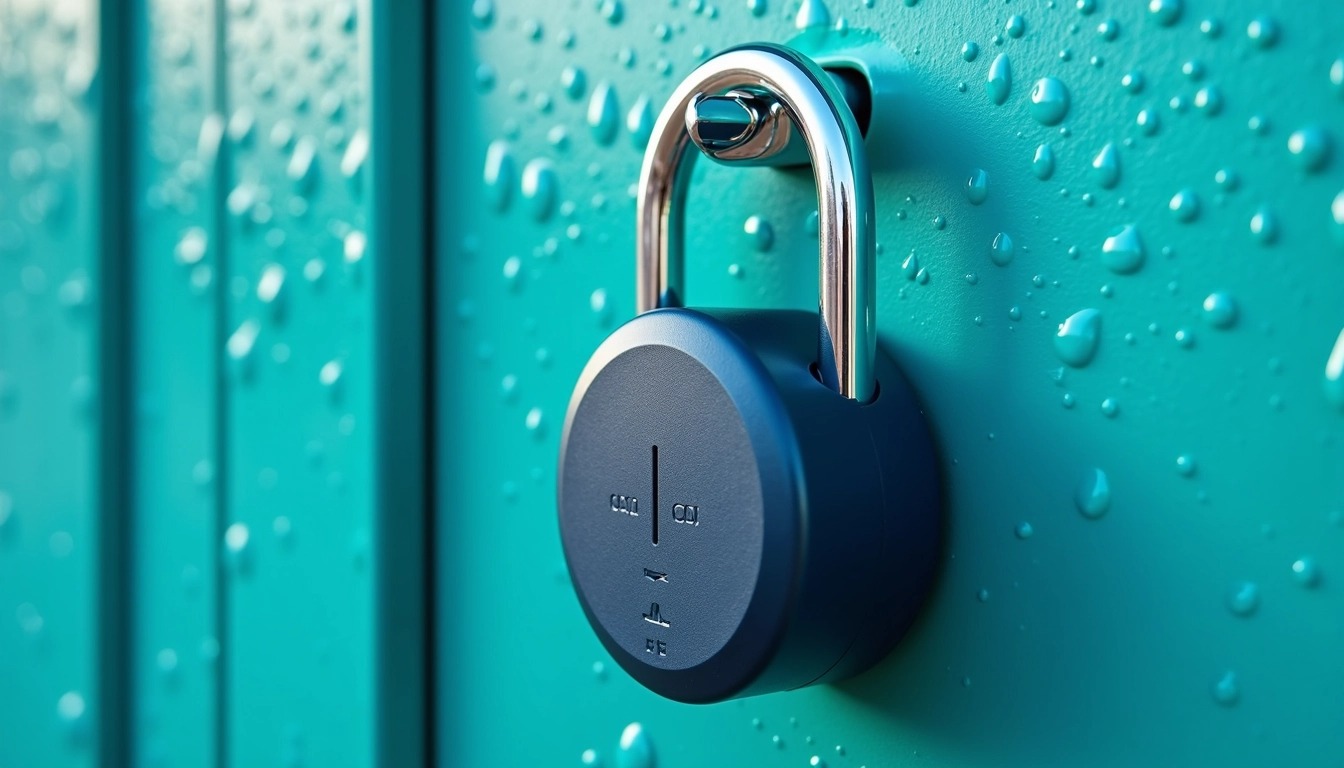
- Padlocks: for gates, storage units, and basement cages. Look for a shrouded shackle so it cannot be cut. Security level varies enormously.
- Cam locks: the small cylindrical locks on mailboxes, cabinets, and lockers. See mailbox lock replacement.
- Rim locks and night latches: surface-mounted secondary locks that add a second point of security to a wood door.
- Euro cylinders: common on metal-and-glass and some newer doors, ideally with anti-snap protection.
So which lock should you choose?
Match the lock to the situation, not to a marketing claim:
- Maximum security (exterior, high-risk, or post-break-in): an ANSI Grade 1 deadbolt, or a high-security cylinder with key control. Pair it with a reinforced strike plate, which often matters more than the lock itself. See door reinforcement for NYC apartments.
- Everyday apartment door: a solid Grade 1 or Grade 2 deadbolt, single-cylinder, from a reputable brand.
- Convenience without losing security: a smart or keypad lock with a mechanical key backup.
- Interior doors: knob or lever locks, whichever suits the space.
If you are not sure, a licensed locksmith can look at your actual door and building and tell you what fits, instead of selling you the most expensive option on the shelf.
Where SWIFTLOCKSMITH fits
We install, repair, and rekey every category above across the five boroughs, in fully-stocked mobile vans, and we are DCWP licensed and insured. Whether you need a lock installed or repaired, a rekey after a move, or a high-security upgrade, we will recommend the lock your door and building actually call for.
For a recommendation or an install, call (844) 912-1908.
Frequently Asked Questions
What is the most secure type of door lock for a NYC apartment? For most apartments, an ANSI Grade 1 single-cylinder deadbolt, ideally with a reinforced strike plate, or a high-security cylinder (Medeco, Mul-T-Lock) if you want copy-proof key control. The strike plate and frame often matter as much as the lock body.
What is the difference between a deadbolt and a mortise lock? A deadbolt is a single bolt thrown into the frame, usually added to a door with a separate latch. A mortise lock is one larger mechanism set into a pocket in the door edge that combines latch and deadbolt, common in NYC pre-war buildings.
Can I put a smart lock on my co-op or rental door? Sometimes, but check first. Many NYC boards and landlords have rules, and some require they keep a working key. See our co-op lock rules and smart-locks-in-co-ops guides before buying.
Are double-cylinder deadbolts legal in NYC? They are restricted in many buildings because they require a key to exit, which is a fire-escape hazard. Many landlords and boards prohibit them. Confirm before installing one on a door you use to leave.
What does ANSI Grade mean on a lock? It is a durability and security rating. Grade 1 is the highest (commercial-strength), Grade 2 is solid residential, Grade 3 is basic. For any exterior NYC door, aim for Grade 1.
Should I rekey or replace my locks when I move in? Rekey at a minimum, so old keys stop working. Replace if the hardware is worn, low-grade, or you are upgrading security. Our rekey-or-replace guide walks through the decision.
Need Expert Help?
If you have questions about any of the security solutions discussed in this article, our team is ready to provide expert guidance.
Call us at (844) 912-1908 for a free consultation or to schedule a service.