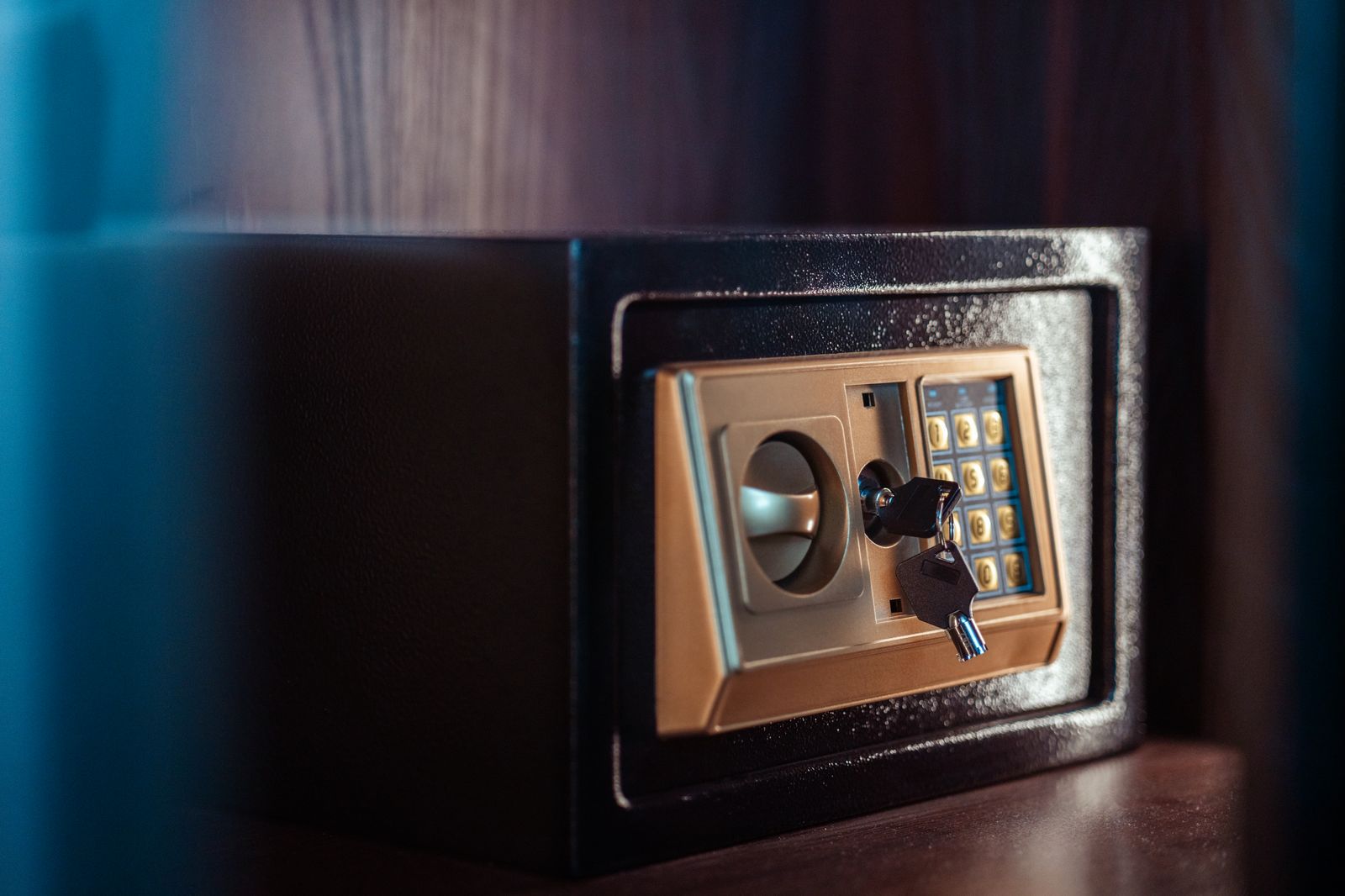
Safe Opening in NYC: How a Locksmith Gets You Back In
The combination does not work. The keypad is dead and the override key is gone. The dial spins but nothing happens. Inside is a passport you need Monday, the cash for payroll, or your grandmother's rings. Opening a safe you are locked out of is one of the more satisfying calls we run, because it almost always ends with the safe open and usually with the safe still usable. The Hollywood image of a stethoscope and a cracked door is mostly fiction. Here is how it actually works in NYC, what we need from you, and what it costs.
First, the rule: we open safes you can prove are yours
Opening a safe is exactly the kind of job a reputable locksmith gates carefully, for obvious reasons. Before we open anything we confirm ownership and authority: photo ID, proof the safe is at your address or business, and a plausible account of the lockout. For an estate or a business, we work with the executor, owner, or manager who can establish the right to access. This protects you and us. A shop that opens any safe for anyone without asking is a shop to avoid, the same judgment we apply in our scam-locksmith guide.
Why people get locked out of their own safe
- Lost or forgotten combination. The most common reason, especially on safes used rarely.
- Dead electronic keypad battery, with no override key on hand. Often a five-minute fix once we are there.
- Failed or worn lock mechanism. Dial linkage slips, a solenoid fails, a bolt jams. The combination is right; the lock is broken.
- Lost override key for a keypad safe.
- Inherited or found safe with no known combination, common in estates and apartment turnovers.
The cause shapes the method. A dead battery is trivial; a failed mechanism or unknown combination takes more.
How a safe actually gets opened
Despite the movies, most openings are methodical, not dramatic:
- Battery and override first. On an electronic safe, we restore power or use the override path. Many "broken" safes are just dead batteries.
- Manipulation, where feasible. On some mechanical dial safes, a skilled locksmith can recover the combination or open the lock without damage. It takes patience and is not possible on every model, modern safes are specifically designed to resist it.
- Decoding and bypass. Certain locks can be decoded or bypassed through known weaknesses without harming the container.
- Drilling, the controlled last resort. When manipulation is not viable, we drill a precise hole in a known location to view or release the mechanism, then open the bolt work. This is standard professional practice, not destruction: the hole is small, placed to avoid relockers and the contents, and the safe is then repaired.
- Repair after a drill. A drilled safe is not a dead safe. We plug the hole, replace the lock, and reset it so the safe is fully usable again.
We tell you which method applies and what it means for the safe before we start. Non-destructive when possible; controlled drilling when not.
Will opening damage the safe?
Often not at all. A dead-battery or override opening leaves the safe perfect. A manipulation or decode opening leaves it perfect. A drilled opening leaves a small, repairable hole, and we restore the safe with a new lock so it keeps working. The goal is always to return you a functioning safe, not a scrapped one, unless the safe is so far gone that replacement is the honest recommendation.
Types of safes we open
- Home and office safes (electronic keypad, dial, or key): the everyday calls.
- Fireproof safes and document chests: common in NYC apartments; opened and repaired routinely.
- Gun safes: opened with proof of ownership and lawful possession.
- Floor and wall safes built into NYC apartments and brownstones, sometimes decades old with no known combination.
- Commercial and depository safes for retail and hospitality, including drop safes.
If you tell us the brand and model on the call, we can usually predict the method and quote accordingly.
What it costs in NYC
Safe opening is quoted by type and method, not a flat rate, because a dead battery and a drilled high-security safe are very different jobs. Mid-2026 ranges:
- Electronic safe, dead battery or override: the low end, often a quick service call.
- Standard home/office safe, manipulation or basic drill-and-open: mid range, including basic re-lock.
- Fireproof, gun, or higher-security safe requiring careful drilling and repair: higher, reflecting the time, the precision, and the lock replacement.
- Repair and re-lock after drilling: included or quoted alongside, so you leave with a working safe.
We give a range on the phone from the brand and model, and confirm on site before any drilling.
How a SwiftLocksmith safe call works
- You call (844) 912-1908 with the safe's brand, model, and the symptom (dead pad, lost combo, jammed). We quote a range and method.
- We confirm your ownership and authority to open it.
- We try the non-destructive path first: power, override, manipulation, or decode.
- If drilling is required, we explain it, drill precisely, open the safe, and then repair and re-lock it.
- We reset the combination or replace the lock so you leave with a secure, working safe.
We are DCWP licensed and insured. See our safe services page, and our high-security locks work if you are upgrading after a failure. We open safes for homes and businesses across the five boroughs.
Frequently Asked Questions
Can you open my safe without damaging it? Frequently, yes, especially for dead-battery, override, and manipulable locks. When drilling is the only option, the hole is small and precise, and we repair and re-lock the safe afterward so it stays usable.
What do you need before opening a safe? Proof you own it or are authorized to open it: photo ID, proof the safe is at your address or business, and a reasonable account of the lockout. For estates or businesses, we work with the executor, owner, or manager.
Is "safe cracking" really a skill, or do you just drill everything? Both exist. Some mechanical safes can be manipulated or decoded open without damage by a skilled locksmith. Many modern safes are built to resist that, so controlled drilling is the professional standard. We try the non-destructive path first.
I inherited a safe with no combination. Can you open it? Yes, with proof of your right to it (estate documents or ownership of the property). Unknown-combination safes are a routine call, common after an inheritance or an apartment turnover.
Will I be able to use the safe again after you open it? In most cases yes. Non-destructive openings leave it intact; drilled safes are repaired and fitted with a new lock. We only recommend replacement when a safe is genuinely beyond economical repair.
Can you open a gun safe? Yes, with proof of ownership and lawful possession. We follow the same authority checks as any safe and open it without harming the contents.
Need Expert Help?
If you have questions about any of the security solutions discussed in this article, our team is ready to provide expert guidance.
Call us at (844) 912-1908 for a free consultation or to schedule a service.