Rekey or Replace Your Locks in NYC? How to Decide.
You want the old keys to stop working. Maybe a roommate moved out, maybe you just took the keys to a new apartment, maybe a contractor had a copy for a month. The question every locksmith hears: do I rekey what is there, or replace the whole lock? They solve different problems and cost very different amounts. Picking the wrong one means either overpaying or not actually fixing your problem.
Here is the plain version. Rekey when the hardware is fine and you only need the old keys dead. Replace when the hardware itself is the problem. Most NYC apartments need a rekey, not a replacement.
What rekeying actually does
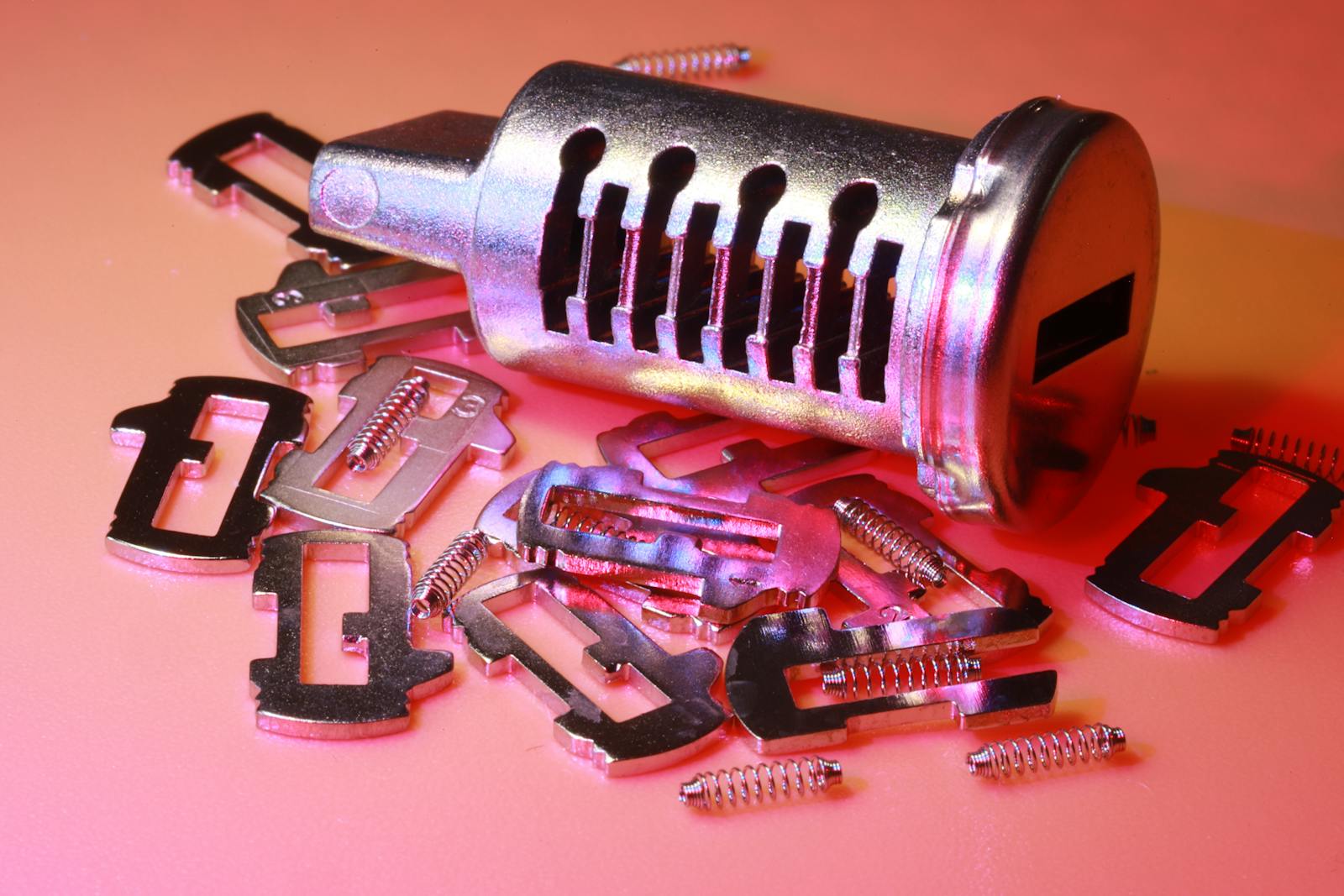
Rekeying changes the internal pin configuration of an existing lock cylinder so it accepts a new key and rejects the old one. The lock body, the bolt, the knob, the strike, all of it stays. The locksmith pulls the cylinder, swaps the pin stack to a new combination, and cuts you fresh keys. The old keys become useless metal.
What rekeying gives you:
- Old keys stop working. This is the whole point, and it is complete: anyone holding an old copy is locked out.
- It is fast and cheap. A cylinder rekey is minutes of work and a fraction of the cost of new hardware.
- You can match multiple locks to one key. If you have a knob and a deadbolt that take different keys, a rekey can put them on a single key.
What rekeying does not give you: a better lock. If your deadbolt is a worn big-box unit, rekeying it leaves you with a worn big-box unit that now takes a new key. The security level is unchanged.
What replacing gives you that rekeying cannot
Replacement swaps the physical hardware: new deadbolt, new cylinder, sometimes a new strike and reinforcement. You replace, rather than rekey, when:
- The hardware is worn or failing. A deadbolt that sticks, a cylinder that is hard to turn, a latch that does not seat. A rekey will not fix a mechanical problem.
- You want a security upgrade. Moving from a Grade 3 or ungraded lock to an ANSI Grade 1 deadbolt, or from a standard cylinder to a high-security cylinder with key control. Rekeying keeps the same security; replacement raises it.
- You want key control. A high-security cylinder with restricted keys (Medeco, Mul-T-Lock) means nobody can copy your key at a hardware store. That requires new hardware, not a rekey.
- The lock does not match the door or the building standard, or you are consolidating to a smart lock or keypad.
The cost difference in NYC
Real ranges, mid-2026, in the five boroughs:
| Job | Range | Notes |
|---|---|---|
| Rekey a standard apartment door | $85-$150 all in | Cheapest fix; old keys die |
| Rekey several locks to one key | $85-$150 per door | Knob + deadbolt + any extras on one key |
| Replace a standard deadbolt | $120-$250 installed | New Grade 1 or 2 hardware |
| Replace with high-security cylinder | $250-$450 installed | Pick/drill/bump resistance + key control |
| Lock change for a whole apartment (2-3 doors) | $200-$500 | Depends on hardware grade chosen |
The headline: rekeying a standard door is usually well under the cost of replacing the hardware, when the hardware is fine.
Common NYC situations and the right call
A roommate moved out and you want their key dead. Rekey. The hardware is fine; you just need the old copy useless. Fast and cheap.
You just signed a lease on a new apartment. Rekey at minimum, and confirm with your landlord first. Previous tenants, supers, brokers, and cleaners may all have had keys. We cover the move-in rules and who is allowed to change what in our moving-in lock guide.
Your deadbolt is old, stiff, or builder-grade. Replace. A rekey leaves you with a weak lock. Upgrade to a Grade 1 deadbolt and, on higher-risk units, a high-security cylinder.
You lost your only key. Depends. If the lock is good, a locksmith can often pick it open and rekey it, cheaper than replacement. If it is worn anyway, replace.
A contractor or ex-partner had a key and you are uneasy. Rekey immediately. It is the fastest way to revoke access without spending on new hardware.
You want nobody to be able to copy your key. Replace with a high-security cylinder. Key control is a hardware feature; a rekey of a standard cylinder still leaves a key anyone can duplicate.
The co-op and rental catch
In a NYC co-op or many rentals, you usually cannot just swap the lock and keep the only key. The building typically requires a working key for the super's emergency access, and the proprietary lease often restricts removing the master-keyed cylinder. A rekey that keeps the building's master access intact is the path of least resistance; a full replacement may need notice or approval. We lay out the board rules in our co-op door lock requirements guide. Whatever you do, hand the super a working key.
How we handle it
- We ask what you are actually trying to fix: dead old keys, better security, or broken hardware. That answer usually decides rekey versus replace in one sentence.
- We inspect the existing hardware. If it is sound, we recommend rekeying and tell you so even though it is the cheaper job.
- If it is worn or you want an upgrade, we quote replacement options at a couple of security levels.
- We do the work, cut and test the new keys, and in a co-op hand a working key to the super.
We are DCWP licensed and insured. For the work itself, see lock rekeying, lock installation and repair, and high-security locks. Call (844) 912-1908 and we will tell you honestly which one you need.
Related reading. Prices for each path are broken out in rekey cost in NYC and what a lock change costs in NYC.
Frequently Asked Questions
Is rekeying as secure as replacing the lock? For the same lock, yes, the security is identical; rekeying only changes which key works. It does not make a weak lock stronger. If you want more security, that requires new hardware, not a rekey.
Can any lock be rekeyed? Most standard pin-tumbler cylinders can. Some worn cylinders, certain proprietary high-security cylinders, and damaged locks cannot be rekeyed economically and are better replaced. We check on site.
How long does a rekey take? A single cylinder is minutes. A typical apartment with a knob and deadbolt is well under an hour including cutting and testing keys.
Do I need my landlord's permission to rekey? In a rental, you generally need to coordinate with the landlord and provide a working key, and many leases require it. In a co-op, the proprietary lease usually requires the building keep emergency access. Always confirm before changing anything.
I lost my only key. Rekey or replace? If the lock is in good shape, we can usually pick it open and rekey it, which is cheaper than replacement. If the hardware is old or worn, replacement is the better value.
Can you put all my locks on one key? Yes, as long as the cylinders are compatible. Rekeying a knob and a deadbolt to a single key is a common request and a quick job.
Need Expert Help?
If you have questions about any of the security solutions discussed in this article, our team is ready to provide expert guidance.
Call us at (844) 912-1908 for a free consultation or to schedule a service.