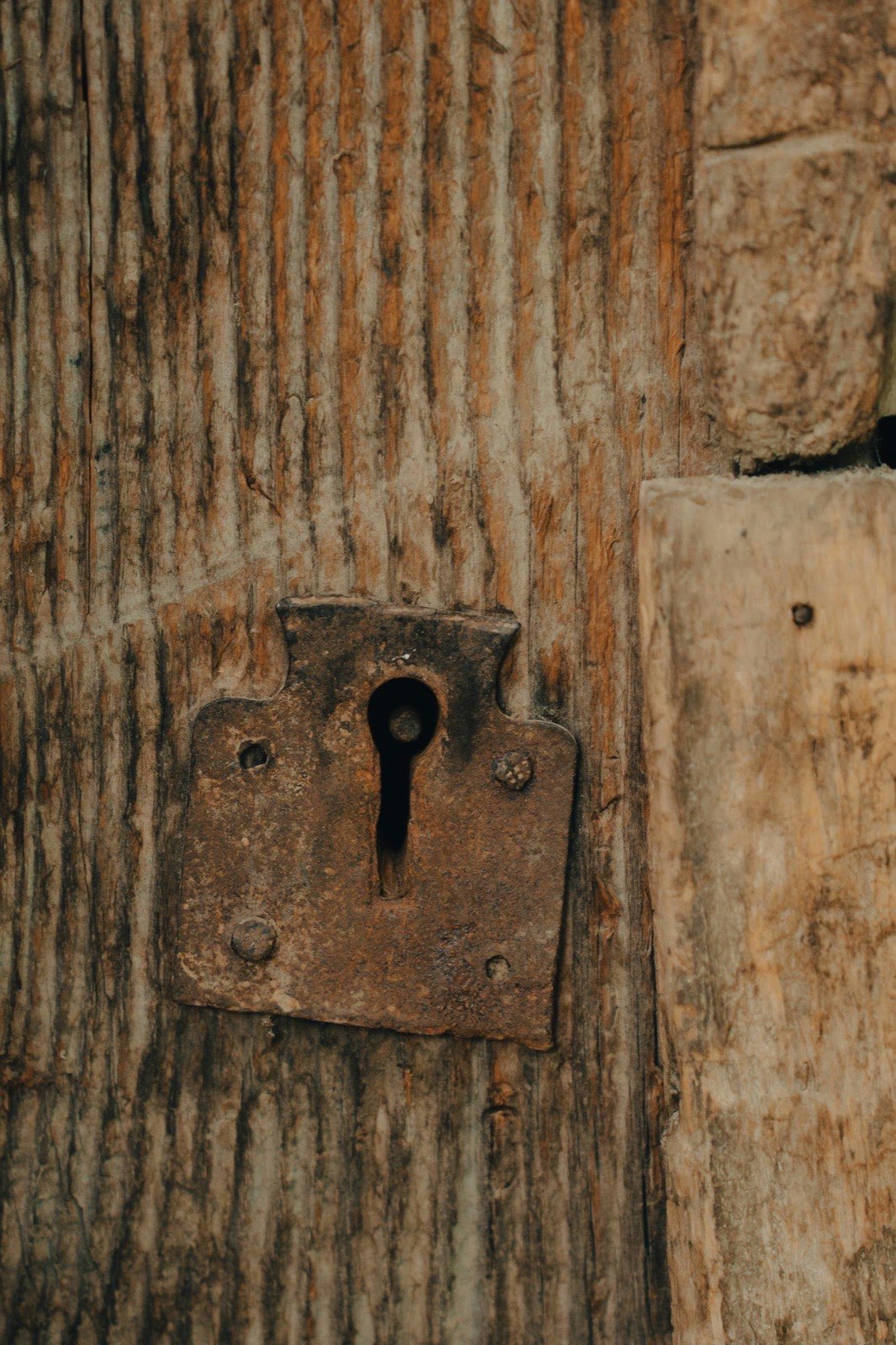
Pre-War Mortise Lock Repair in NYC: Fix It or Replace It?
The key turns halfway, then stops. You jiggle it, lift the door by the knob, try again, and it finally throws. Your apartment is in a 1928 building on the Upper West Side, and the lock in the door has been there longer than anyone in the building has been alive. The instinct is to rip it out and put in a modern deadbolt. Usually that is the wrong move.
Pre-war NYC apartments run on mortise locks: a rectangular steel case mounted inside a pocket cut into the edge of the door, with a knob, a latch, and a deadbolt all worked by one body. They were built when hardware was meant to be serviced, not thrown away. A mortise lock that sticks is almost always repairable, and the repair preserves the original door and the building's look. Here is how the hardware works, what actually breaks, and when replacement is the honest answer.
What a mortise lock actually is
A modern deadbolt is a cylinder and a bolt, two simple parts bored into a round hole. A mortise lock is a machine.
Inside the steel case you have the latch (the spring-loaded bevel that holds the door closed), the deadbolt (the square bar you throw with the key or thumb-turn), a series of levers and springs, and a hub that the knob spindle passes through. The cylinder threads into the case from the edge. Everything is mechanical, packed into a box roughly 6 inches tall and an inch thick, set into a pocket chiseled into the door edge.
The brands you find in pre-war NYC buildings are consistent: Russwin, Sargent, Yale, Corbin, and occasionally Penn or Reading. Most were installed between 1900 and 1940 and many are still the original case. The cylinders have usually been replaced once or twice over the decades; the case underneath is frequently original.
Why they stick, bind, or fail
A mortise lock that misbehaves usually has one of a short list of causes, and most are repairs measured in parts and labor, not full replacement:
- Dried grease and grit. Hundred-year-old lubricant turns to varnish. The latch and deadbolt drag. A full disassembly, clean, and re-lube fixes it. This is the single most common pre-war lock complaint.
- Worn or broken springs. The springs that return the latch and knob fatigue and snap. Replacement springs are available for most Russwin and Sargent cases, or fabricated when not.
- A loose or worn knob spindle. The square spindle and set screws wear, so the knob turns without fully retracting the latch. Re-pinning or replacing the spindle restores it.
- Door sag and frame shift. A 90-year-old door drops on its hinges, so the deadbolt no longer lines up with the strike. Often the lock is fine; the door or strike needs adjustment.
- A failed cylinder. The case is good but the key cylinder is worn, and that is a cylinder swap, not a case replacement.
The point worth keeping: in most pre-war calls, the case is sound. The fault is a serviceable part or an alignment problem, not a dead lock.
The case for repairing rather than replacing
Three reasons we steer pre-war clients toward repair when the case allows it.
The door. A mortise pocket is a large rectangular cavity cut into the door edge. Modern deadbolts and tubular locksets do not fill that pocket. Removing the mortise lock and switching to a modern bored lock means filling the pocket, patching the face, and refinishing, or living with an ugly conversion plate. On an original mahogany or oak pre-war door, that is a loss you cannot undo.
The building. Many pre-war co-ops and condos have rules about door hardware that match the building's period character, and some buildings are in historic districts where exterior-facing changes are restricted. Repairing the original keeps you out of a fight with the board. We cover the broader board rules in our co-op door lock requirements guide.
The hardware quality. A well-made Sargent or Russwin mortise case from the 1920s is heavier and better machined than most of what you can buy new at a residential price point. Serviced and re-lubed, it will outlast a modern big-box lockset. We make the broader cheap-versus-quality argument in our deadbolt hardware breakdown.
When replacement is the honest answer
We do not pretend every old lock is worth saving. Replace, or convert, when:
- The case is cracked or the internal castings are broken beyond available parts. Some off-brand cases have no parts supply and cannot be machined economically.
- You need modern security the case cannot provide. A pre-war cylinder is easy to upgrade to a high-security cylinder, but if you want a multi-point lock or a connected smart lock, the mortise case may not support it. See our high-security cylinder comparison for what fits a mortise body.
- The door itself is being replaced for fire-rating or renovation reasons. If the door goes, the lock decision resets.
When replacement is right, the better path is usually a modern mortise lock (Marks, Sargent, or Corbin Russwin still make them) that drops into the existing pocket, rather than converting to a bored lock and patching the door. Same cavity, new mechanism, original look preserved.
What it costs in NYC
Real ranges for pre-war mortise work, mid-2026, in the five boroughs:
| Job | Range | Time |
|---|---|---|
| Service, clean, and re-lube an existing mortise case | $150-$250 | 45-75 min |
| Spring or spindle repair (parts available) | $180-$320 | 60-90 min |
| Cylinder upgrade to high-security in existing case | $250-$450 | 45-60 min |
| Strike and door alignment adjustment | $120-$200 | 30-60 min |
| Full modern mortise lock replacement (drop-in) | $400-$900 | 90-150 min |
A replacement mortise case alone runs $200-$600 in vintage-compatible finishes before labor, which is exactly why repairing the original, when the case is sound, is the cheaper and better outcome.
How we handle a pre-war lock call
- We diagnose on site: is the fault the cylinder, the case, the springs, or the door alignment? Most calls are decided in the first ten minutes.
- We quote repair versus replacement honestly, with the cost of each, before any work.
- If it is a service or spring job, we disassemble the case, clean a century of hardened grease, replace worn springs, re-lube, and reassemble.
- If you want better security, we swap the cylinder for a high-security one and keep the original case and knobs.
- We test the full cycle: latch, deadbolt, key from outside, thumb-turn from inside, knob retraction.
We are DCWP licensed and insured and we do this work across pre-war stock in Manhattan and Brooklyn regularly. For the actual work, see lock installation and repair, rekeying, and high-security upgrades. Call (844) 912-1908 and describe the symptom; we can usually tell you on the phone whether it sounds like a repair or a replacement.
Related reading. Many pre-war doors also carry a steel bar lock, covered in the Fox police lock in NYC.
Frequently Asked Questions
My key only works if I lift the door. Is the lock broken? Usually not. That symptom is door sag: the door has dropped on its hinges so the deadbolt no longer aligns with the strike. Lifting the door re-aligns it. The fix is hinge or strike adjustment, not a new lock.
Can you make my old mortise lock as secure as a modern deadbolt? Mostly, yes, by replacing the cylinder with a high-security one (Medeco or Mul-T-Lock). The case provides the bolt and throw; the cylinder provides the pick, drill, and key-control resistance. The combination is strong.
Are parts even available for a 1920s lock? For Russwin, Sargent, Yale, and Corbin, often yes, through locksmith supply channels, and springs and spindles can be fabricated when stock parts are gone. Truly orphaned off-brands are the cases we sometimes cannot source.
My building says I cannot change the door hardware. Does repair count? Repairing and re-lubing the existing lock is not a hardware change, so it almost never triggers a board issue. A cylinder swap usually only requires giving the building a working key. Replacing the whole lock is the change that may need approval.
The lock works but the key is worn and barely turns. Repair or rekey? That is usually a cylinder or key issue, not a case issue. We can cut a fresh key to the original bitting or rekey the cylinder. If the cylinder itself is worn out, we replace just the cylinder and keep the case.
Is a double-cylinder mortise lock (keyed both sides) allowed? Not on a NYC apartment egress door. Fire code requires the inside to open without a key in a single motion. If your pre-war lock is double-keyed, we convert the interior to a thumb-turn.
Need Expert Help?
If you have questions about any of the security solutions discussed in this article, our team is ready to provide expert guidance.
Call us at (844) 912-1908 for a free consultation or to schedule a service.