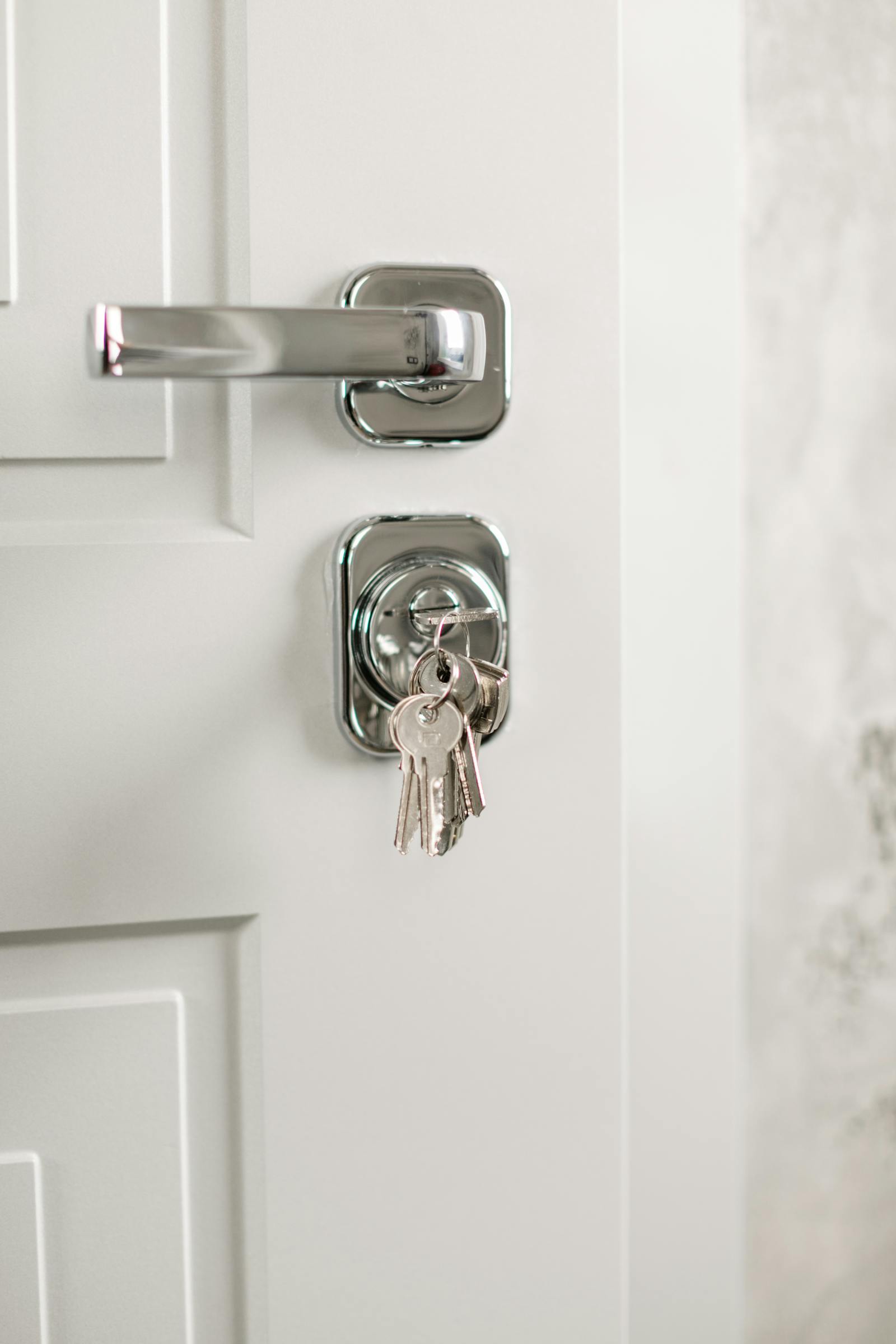
Key Broke Off in the Lock: NYC Field Guide
The key was already a little bent, the lock has been sticky for a month, and you were running late for the train. You leaned on the key a quarter-turn more than usual. Snap. The bow of the key is in your hand and the blade is now permanently inside the cylinder, blocking it.
This happens about 2,000 times a year to NYC locksmiths, mostly to apartment doors in January-March (cold and metal fatigue), mailbox locks year-round (wafer cylinders are fragile), and steering-column ignitions on cars built between 2002 and 2014.
The job is called a broken-key extraction. It is one of the few locksmith calls that genuinely is an emergency, because everything else in your life is paused until that lock works again.
Here is the field guide: what to do, what not to do, and what it will cost.
First, do not turn the key
If the broken blade is still in the cylinder and oriented at any angle other than the resting position (where the cylinder is "locked"), do not push, jiggle, or attempt to rotate it. Two reasons:
- Pin tumblers can chew up the blade. If you push the broken piece deeper or rotate it, the pins above the cylinder dig into the soft brass of the key and create deeper pits that lock the blade in place. A blade that could have come out in 5 minutes with the right tool turns into a 30-minute drill-and-replace job.
- The cylinder can be left "between" lock and unlock states. If the blade is rotated partway and stuck, the deadbolt is also partway extended. You cannot open the door even if you extract the key fragment, because the bolt is wedged in the strike. Always leave the broken key in whatever rotational position it was in when it snapped.
The right starting move: take a photo of the cylinder with the broken key visible. This helps if you end up calling a locksmith because we can see whether it is a deadbolt cylinder, a mortise cylinder, a wafer mailbox lock, or something exotic.
Then sit on the floor and try the home extraction steps below before you call.
Home extraction, in order from safe to risky
The pinky test. If the broken key is sticking out of the cylinder face by even a millimeter, you can sometimes grip the protruding edge with thumb and forefinger and pull straight out. The key wants to come out in the direction it went in. No rotation, no wiggling side to side, just steady pull.
If the cylinder face is rougher than smooth brass (like a worn old cylinder), light pressure from a pencil eraser pressed against the protruding edge can give enough friction to start the pull. This works for maybe 25% of cases where the break left visible blade outside the cylinder.
Needle-nose pliers, lightly. If the blade extends past the cylinder face by 2-3mm or more, fine needle-nose pliers can grip the exposed metal. Three rules:
- Grip parallel to the key, not perpendicular.
- Pull straight out, do not rotate.
- If it does not come out with light pull, stop. Pliers can deform the soft brass and turn an extractable fragment into a permanent one.
The thin-blade trick. This is the one piece of "DIY broken key extraction" advice on the internet that mostly works, if executed carefully. Take a slim utility knife blade or a metal jigsaw blade (the kind for cutting metal, very thin), insert it into the keyway alongside the broken blade, hook the cuts of the broken key, and pull straight out together. Works about 40% of the time. The risk is breaking off your tool inside the cylinder, which doubles your problem.
Superglue, broken-bow-to-broken-blade. If a small piece of the bow is still attached, in theory you can superglue them back together, wait 5 minutes, and pull. In practice, the joint almost never holds and the glue ends up inside the cylinder where it traps the blade permanently and ruins the cylinder. Locksmiths charge a premium for cylinders with superglue residue because the only fix is full replacement. Skip this one.
Hair-thin brass wire or paper clip. This one comes from a YouTube video that goes viral every few years. It is real, requires practice, and almost never works on the first try for someone who has not done it before. Realistic outcome for a first-time attempt: pushing the broken blade deeper. Skip unless you are confident.
The honest baseline: about 30-40% of broken-key situations resolve themselves with the pinky-pull or light needle-nose. The rest need a locksmith.
What a professional extraction looks like
When SwiftLocksmith arrives for a broken-key extraction, here is what actually happens (so you know what you are paying for):
- Visual assessment. Two minutes with a flashlight and an inspection mirror to see where the break occurred, how deep the blade sits, and whether the cylinder is in lock or unlock position.
- Tool selection. A pro broken-key extractor is a thin spring-steel tool with a small hook on the end. The professional set has 4-6 variants for different keyways. The right tool slides into the keyway alongside the broken blade, the hook engages with one of the key's cuts, and a slow steady pull extracts the fragment.
- Extraction. Usually 5-15 minutes. Sometimes faster.
- Damage check. Spin the cylinder a few times with a working key (cut from a code if you do not have one) to make sure nothing got pushed out of place.
- Key replacement. Cut a new key from the cylinder code, or cut from a working key if you have a spare. Hand it to you.
Total visit: usually 25-45 minutes from arrival to leaving.
If the extraction reveals that the cylinder is damaged (pins displaced, springs broken, key cut so deeply that it removed material from inside the lock), the next step is a cylinder replacement. We covered the rekey-or-replace decision in our rekey or replace locks NYC post.
What it costs in NYC
Honest pricing for a broken-key extraction service call in NYC, ballpark:
- Standard daytime extraction (M-F, 8 AM - 6 PM): $95-$145 for the service call plus extraction. Includes cutting a replacement key from the cylinder.
- Evening extraction (6 PM - midnight): $125-$185. Same job, evening surcharge.
- Overnight extraction (midnight - 8 AM): $185-$285. Same job, overnight surcharge.
- If the cylinder is damaged and needs replacement: add $80-$160 for a standard residential cylinder, more for restricted-keyway or commercial-grade.
- Mailbox lock extraction: $75-$110. Mailbox cylinders are smaller and simpler.
For comparison, drilling the lock open (which is the wrong approach in most cases) and installing a new lock from scratch would run $180-$320 plus the new hardware. Extraction is the right call unless the cylinder is genuinely beyond service.
Our full broken key extraction NYC service page covers the technique and pricing in more detail.
When it is the key's fault and when it is the lock's
A key does not just snap because of bad luck. Something was wrong before the break. If you understand which, you can prevent the next one.
Key-side causes:
- The key is a worn copy of a copy of a copy. Each cut hardware-store duplication loses a fraction of a millimeter of precision. By the third generation the cuts are sloppy enough to bind. Always cut new keys from a sharp original, not from a worn duplicate.
- The key is bent from sitting in a back pocket. A 5-degree bend stresses the metal at the bow-to-blade junction. The next torque event snaps it.
- The key is brass and the lock is brass and they have been wearing on each other for 20 years. Time to retire the key set and start fresh.
Lock-side causes:
- Internal pin springs have gone weak, so pins do not return to position cleanly. The key binds, the user pushes harder, the key breaks.
- Lubrication is dried out. Same outcome.
- Door is misaligned. The deadbolt drags on the strike, so even a perfect key has to overcome friction it should not have to overcome.
If a key broke off because the lock was sticky for weeks before, replacing the cylinder (not just the key) is the right call. Otherwise the new key will break in the same lock within a year.
Special cases
Car ignitions. A broken key in a car ignition is a different job from an apartment door. Modern cars (2004+) often have transponder keys that contain an electronic chip; if the chip is in the broken portion still inside the ignition, the car might think the key is still present and not throw an immobilizer error. The fix is the same physical extraction, plus a new transponder key cut and programmed. Covered in detail on the transponder key replacement NYC page.
Mailbox locks. Most NYC mailbox locks are wafer-tumbler cylinders, which are even easier to break keys in than pin-tumbler. The cylinder is also typically owned by the building, which means you may need to coordinate with the management before swapping it. A locksmith will usually extract and replace the cylinder, and the building takes care of issuing keys to the legitimate user.
Padlocks. Outdoor padlocks with broken keys are sometimes cheaper to cut off and replace than to extract from, because the padlock body is often the same price as the extraction labor. Bring the padlock to the locksmith if you can, or ask for the cost-comparison up front.
Mortise locks. A broken key in a mortise lock can sometimes only be extracted with the cylinder removed from the lock case. This requires unscrewing the cylinder, working on it on a bench, and reinstalling. Slightly longer job, $20-$40 more than a standard cylindrical extraction.
How to never do this again
The bare-minimum prevention:
- Every two years, retire your apartment key set and cut a fresh set from the cylinder code (not from a worn original).
- Once a year, puff powdered graphite into the keyway.
- If the lock starts to feel sticky, do not wait. A sticky lock breaks keys.
- Do not carry keys in a back pocket. The bend stresses metal.
- If you have a copy of a copy of a copy, throw it out and cut a fresh one from a known-good source.
Frequently asked questions
Can I extract a broken key with superglue? Not reliably, and the failed attempt usually ruins the cylinder. The glue gets inside the keyway and locks the broken blade in place permanently. Avoid.
How long does extraction take in NYC? A locksmith service call for broken-key extraction is usually 25-45 minutes from arrival to leaving, including cutting you a replacement key.
Does the lock have to be replaced after a broken key? Usually no. About 80% of broken-key extractions leave the cylinder fully functional. The other 20% revealed underlying lock damage that broke the key in the first place; in those cases replacement is the right call.
Will my building's super extract a broken key? Sometimes. Most supers will not work on apartment door cylinders for liability reasons. They are usually willing to coordinate with a locksmith on the building's behalf for common-area locks.
Is renters insurance going to cover this? Generally no, because broken keys are considered ordinary wear-and-tear, not a covered loss. The exception is if the key broke during a break-in attempt, in which case the cost rolls into the larger claim. See our stolen keys 24-hour plan for that scenario.
Can a locksmith come without seeing the cylinder first? Yes, broken-key extraction is a standard service call. A photo over text can help with quoting, but it is not required. The technician arrives with a full extraction kit.
What if the broken key was the only one I had? The locksmith can cut a new one on the spot from the cylinder code (after extracting the broken blade and reading the pin depths). You leave the visit with working keys.
Need Expert Help?
If you have questions about any of the security solutions discussed in this article, our team is ready to provide expert guidance.
Call us at (844) 912-1908 for a free consultation or to schedule a service.