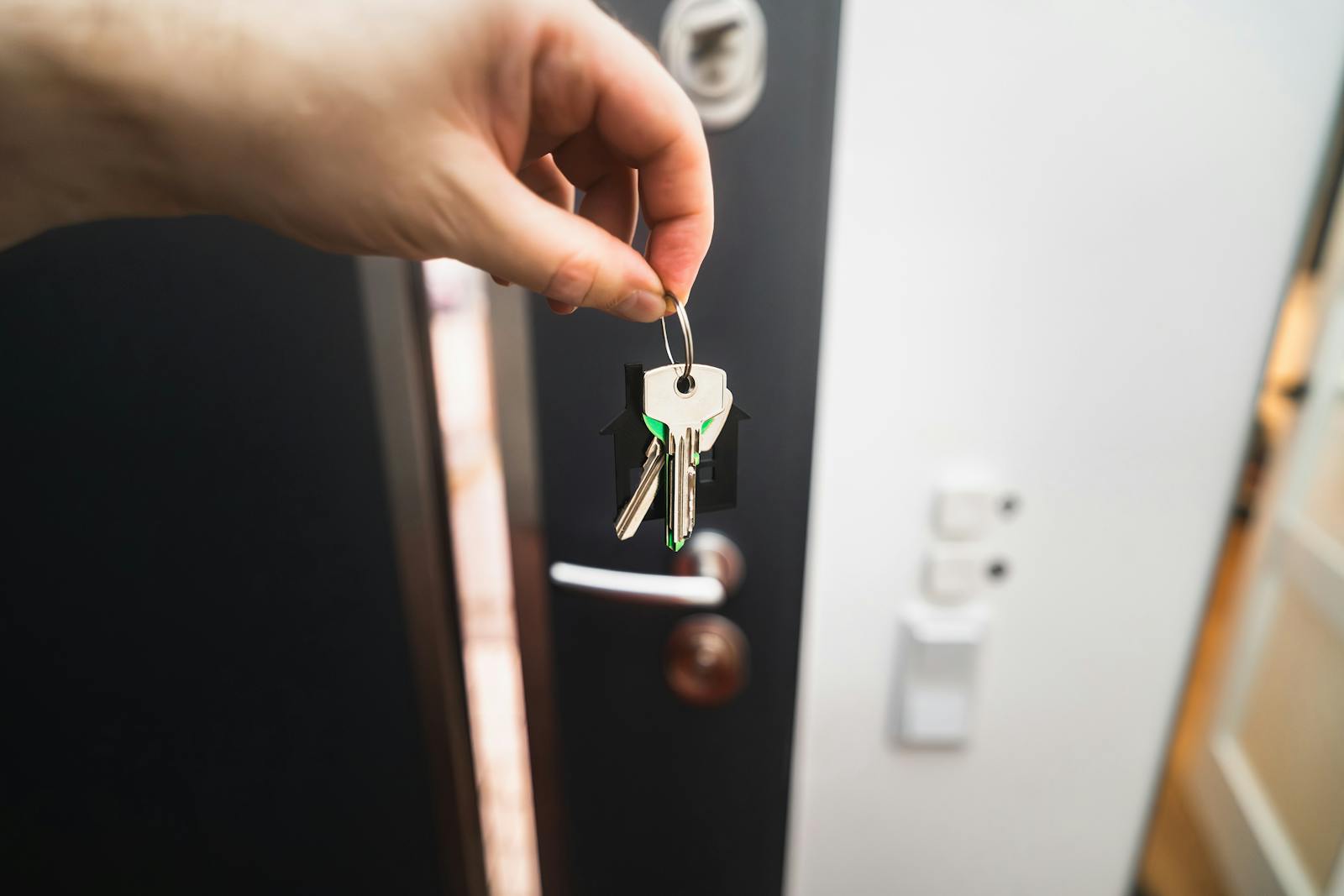
Moving Into a NYC Apartment? Change the Locks First.
The lease is signed, the keys are in your hand, the movers are coming Saturday. Here is the question almost nobody asks on day one: who else has a key to this door? The honest answer in most NYC apartments is "more people than you would like." The previous tenant. Their roommate. The broker who showed it. The super. A cleaning service. A dog walker. Any of them could still have a working copy, and none of them are obligated to tell you.
Changing or rekeying the locks before your first night is cheap, fast, and the single best move-in security step. Here is who actually has keys, what you are allowed to change in NYC, and how to do it right.
Who has a key to your new apartment
Run through the realistic list for a typical NYC unit:
- The previous tenant and anyone they gave a copy to. Leases end; key copies do not get collected.
- The broker or leasing agent, who needed access to show the unit and may not have returned every copy.
- The super or building staff, who legitimately hold keys for emergency access. This one you usually keep, by lease and by fire-safety logic.
- Service people the last tenant used: cleaners, dog walkers, contractors mid-renovation.
- Whoever cut copies at a hardware store over the years, traceable to no one.
You cannot know how many copies exist. That is exactly why you reset the lock rather than trust that the handoff was clean.
Rekey or replace for a move-in
For most move-ins, a rekey is the right answer, not a full replacement. Rekeying changes the lock's internal pins so every old key stops working, while keeping the existing hardware. It is fast and a fraction of the cost of new locks. We break down the full decision in our rekey-or-replace guide.
Replace the hardware instead when:
- The existing deadbolt is worn, sticky, or builder-grade and you want a real Grade 1 deadbolt.
- You want key control so nobody can copy your key, which means a high-security cylinder.
- The lock is damaged or the door has only a flimsy knob lock and no deadbolt.
Either way, the goal is the same on night one: the only working keys are the ones in your pocket (plus the super's, where required).
The NYC rules: what you are allowed to change
This is where renters get tripped up. You usually have the right to secure your unit, but not unilaterally and not in a way that locks out the building.
In a rental: New York law generally supports a tenant's right to a secure home, and changing or rekeying the lock on your own apartment door is normally permitted. The near-universal catch in NYC leases and practice: you must provide the landlord or super a working key, because they need lawful emergency access (a leak from above, a gas smell, a wellness check). You also cannot install a lock that violates fire code (no double-cylinder deadbolt that needs a key to exit). Check your lease and tell the landlord what you are doing; do not surprise them.
In a co-op or condo you bought: The proprietary lease or bylaws usually let you change the cylinder at your expense, again provided the building keeps a working key for emergencies, and additional locks or smart locks may need board notice or approval. We cover that in detail in the co-op door lock requirements guide.
Never install a double-cylinder (keyed both sides) deadbolt on a NYC apartment door. It is a fire-code violation because it can trap occupants. A reputable locksmith will refuse to.
What to change on move-in day
A practical checklist for a typical NYC apartment:
- The apartment entry deadbolt and any knob lock. Rekey both, ideally to a single key. This is the core of the job.
- A mailbox lock, if the building hands you a key that looks well-traveled or you were not given one. See our mailbox lock replacement guide.
- Any secondary entrances to your unit (a service door, a terrace door) that have their own cylinders.
- Confirm the super's key works after the rekey, and hand it over in the building's key box, not loose.
You do not usually need to touch building-common doors (lobby, package room); those are the building's hardware.
What it costs
Move-in lock work in NYC, mid-2026:
- Rekey the entry deadbolt and knob to one key: $85-$150 total including the visit.
- Add a fresh spare or two: a few dollars per key copy.
- Upgrade to a Grade 1 deadbolt: $120-$250 installed if you want better hardware while you are at it.
- High-security cylinder for key control: $250-$450 installed.
A standard move-in rekey is one short visit. If you book it for the day you get keys, you sleep the first night with the only working copies.
Time it before the first night
The mistake is waiting. People move in, mean to "get around to the locks," and a month later still share a cylinder with an unknown number of old keyholders. Book the rekey for the day you take possession, before the movers if you can, so the reset happens before anything of yours is in the unit.
If you are also dealing with a landlord who has not returned a deposit or is being difficult about access, know your rights: a landlord cannot lock you out or enter at will once you hold the apartment. We cover that line in our tenant lockout law guide.
How we handle a move-in
- You tell us the apartment, the doors, and whether it is a rental or co-op (so we get the key-handoff right).
- We rekey the entry hardware to a single new key, or replace it if you want an upgrade.
- We cut you the spares you want and, where required, a working key for the super.
- We test every door and confirm old keys are dead.
We are DCWP licensed and insured and do move-in changes across all five boroughs, often same day. See lock rekeying, lock installation, and key duplication. Call (844) 912-1908.
Frequently Asked Questions
Am I allowed to change the locks in my NYC rental? Generally yes, you have a right to secure your home, but you must give the landlord or super a working key for emergency access, and you cannot install a fire-code-violating double-cylinder lock. Check your lease and notify the landlord.
Should I rekey or fully replace when I move in? Rekey is enough for most move-ins; it kills all old keys at low cost. Replace only if the hardware is worn or you want a security upgrade or key control.
Does the landlord have to change the locks for me? Policies vary. Some landlords rekey between tenants; many do not. Do not assume it was done. The safe move is to arrange it yourself (with the landlord's knowledge) on day one.
Why does the super still need a key after I rekey? For lawful emergencies: a flood from above, a gas leak, a fire, a wellness check. NYC buildings keep emergency access, and your lease almost certainly requires it. The key is held in a secured box, not on a person.
Can I install a smart lock instead? Often yes, especially a model that keeps a mechanical key backup and the building's master access. In a co-op it may need board approval. See our co-op and keypad guides for what gets approved.
How fast can you do a move-in rekey? Usually same day, and the job itself is well under an hour for a standard apartment. Book it for the day you get keys so the reset happens before you move anything in.
Need Expert Help?
If you have questions about any of the security solutions discussed in this article, our team is ready to provide expert guidance.
Call us at (844) 912-1908 for a free consultation or to schedule a service.